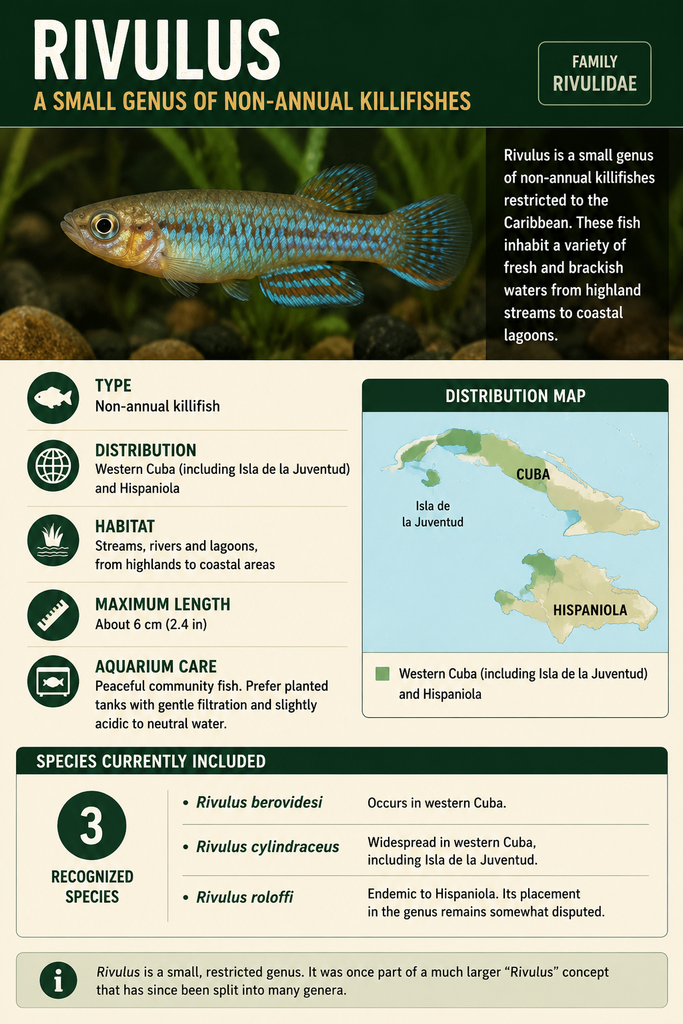
Rivulus gransabanae, also known as the Gran Sabana Rivulus, is a small freshwater fish species that belongs to the Aplocheilidae family. These fish are native to the Gran Sabana region in southeastern Venezuela, where they can be found in streams and marshes.
The Gran Sabana Rivulus is known for its vibrant colors and unique patterns, making it a popular choice among aquarium enthusiasts. Due to its small size and striking appearance, this fish is highly sought after by hobbyists looking to add a touch of beauty to their tanks.
In recent years, conservation efforts have been put in place to protect the Gran Sabana Rivulus and its natural habitat. As a result of deforestation and pollution, the populations of these fish have been declining, prompting researchers and environmentalists to take action to preserve this species for future generations to enjoy.
Despite its small size, the Gran Sabana Rivulus plays a crucial role in its ecosystem as a predator of insects and small invertebrates. By maintaining a healthy population of these fish, it helps to regulate the balance of other species in the aquatic environment, contributing to the overall biodiversity of the region.
As awareness grows about the importance of protecting endangered species like the Gran Sabana Rivulus, more resources are being allocated towards conservation efforts. By working together to preserve the habitats of these fish, we can ensure that they continue to thrive in their natural environment for years to come.
What is Rivulus gransabanae, also known as Gran Sabana Rivulus?
Rivulus gransabanae, commonly referred to as Gran Sabana Rivulus, is a species of freshwater fish found in the Gran Sabana region of Venezuela. This species is known for its vibrant colors and unique patterns, making it a popular choice for aquarium enthusiasts. To learn more about the characteristics and habitat of the Gran Sabana Rivulus, continue reading below.
Rivulus gransabanae, commonly known as the Gran Sabana Rivulus, is a species of killifish found in the Gran Sabana region of Venezuela. This small freshwater fish belongs to the Rivulidae family and is known for its vibrant colors and unique markings.
Distribution
Rivulus gransabanae is endemic to the Gran Sabana region in southeastern Venezuela. This species is typically found in slow-moving streams, creeks, and small water bodies within the savannah landscape of the Gran Sabana. They prefer clear, well-oxygenated waters with plenty of aquatic vegetation for cover.
Physical Characteristics
The Gran Sabana Rivulus is a small fish, with males usually growing to around 3-4 centimeters in length, while females are slightly larger, reaching up to 5 centimeters. They have an elongated body shape, typical of killifish, and their fins are often adorned with striking patterns in shades of red, blue, and yellow. These colors serve as a form of camouflage in their natural habitat.
Behavior and Reproduction
Rivulus gransabanae is an egg-laying species, where the female deposits her eggs in the substrate or among aquatic plants. The male will then fertilize the eggs, and the parents do not provide any further care for the offspring. These fish are known to have a relatively short lifespan, with individuals typically living for around one to two years in the wild.
Conservation Status
Due to its limited distribution within the Gran Sabana region, Rivulus gransabanae is considered vulnerable to habitat destruction and pollution. The construction of dams, deforestation, and mining activities pose significant threats to the survival of this species in its natural habitat. Conservation efforts are currently underway to protect the freshwater ecosystems where the Gran Sabana Rivulus resides.
In conclusion, Rivulus gransabanae, the Gran Sabana Rivulus, is a unique and colorful fish species endemic to Venezuela’s Gran Sabana region. Efforts to conserve its habitat are crucial to ensuring the continued existence of this beautiful killifish.
What is the scientific name of Gran Sabana Rivulus?
The scientific name of Gran Sabana Rivulus is Rivulus gransabanae.
Where can Gran Sabana Rivulus be found?
Gran Sabana Rivulus is found in the Gran Sabana region of Venezuela.
What is the typical habitat of Gran Sabana Rivulus?
Gran Sabana Rivulus is usually found in small streams, seeps, and marshy areas with slow-moving or still waters.
What does Gran Sabana Rivulus eat?
Gran Sabana Rivulus is primarily a carnivorous species that feeds on small invertebrates such as insects and worms.
Is Gran Sabana Rivulus a threatened species?
Gran Sabana Rivulus is currently listed as Least Concern on the IUCN Red List, but habitat destruction and pollution could pose threats to its population in the future.
What is the average size of Gran Sabana Rivulus?
Gran Sabana Rivulus typically grows to about 3-4 centimeters in length.
How does Gran Sabana Rivulus reproduce?
Gran Sabana Rivulus reproduces through internal fertilization, with the female laying eggs that are then fertilized by the male.
Can Gran Sabana Rivulus be kept as a pet?
Yes, Gran Sabana Rivulus can be kept in aquariums with proper care and suitable water conditions.
What are some key characteristics of Gran Sabana Rivulus?
- Distinctive coloration
- Small size
- Adaptation to slow-moving waters
Are there any conservation efforts in place for Gran Sabana Rivulus?
Conservation efforts for Gran Sabana Rivulus include habitat preservation and monitoring of population trends in the wild.
Conclusion
In conclusion, Rivulus gransabanae, also known as the Gran Sabana Rivulus, is a fascinating species of killifish that is native to the Gran Sabana region in Venezuela. This small, colorful fish is known for its unique breeding behavior, in which the male builds a nest from plant material to attract females for mating. The Gran Sabana Rivulus is also able to survive in a variety of habitats, from fast-flowing streams to stagnant pools, making it a highly adaptable and resilient species.
Furthermore, the Gran Sabana Rivulus plays an important role in the ecosystem as both predator and prey, contributing to the overall balance of the aquatic food chain. Its vibrant colors and intricate patterns make it a popular choice among aquarium enthusiasts, but efforts must be made to protect its natural habitats to ensure the continued survival of this species. Overall, the study of Rivulus gransabanae provides valuable insights into the biodiversity and ecology of freshwater ecosystems in the Gran Sabana region, highlighting the importance of conservation efforts to preserve this unique and diverse habitat.
