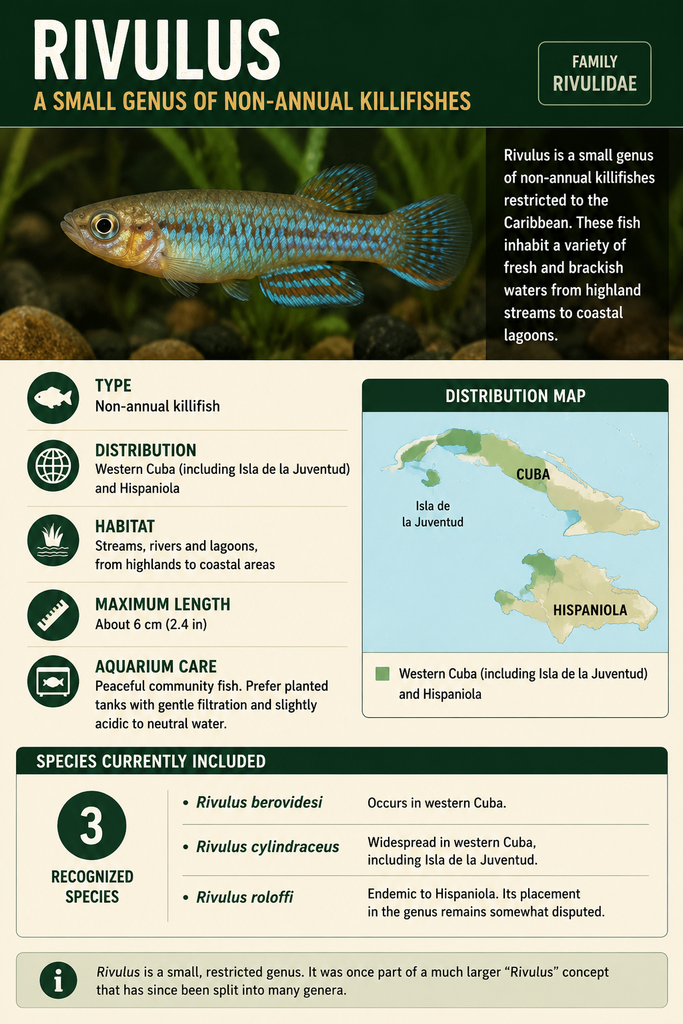
Rivulus haraldsiolii, also known as Haraldsiol’s Rivulus, is a freshwater fish species belonging to the Rivulidae family. This strikingly colored fish is native to Brazil and is often found in slow-moving streams and small bodies of water. Its vibrant hues and unique markings make it a sought-after species among aquarists and collectors.
Although Haraldsiol’s Rivulus is not currently classified as endangered, habitat destruction and pollution pose significant threats to its population in the wild. Conservation efforts are crucial in order to ensure the long-term survival of this species. By raising awareness about the importance of preserving its natural habitat, we can help protect this beautiful fish from extinction.
One captivating aspect of Haraldsiol’s Rivulus is its ability to adapt to various environmental conditions. This adaptability allows the fish to thrive in a range of aquatic settings, making it a resilient species. Despite its ability to survive in changing environments, continued conservation efforts are necessary to safeguard its future.
As an indicator species, the presence of Haraldsiol’s Rivulus in a given ecosystem can provide valuable information about the health of the surrounding environment. By monitoring populations of this fish, scientists can assess the overall well-being of aquatic ecosystems and make informed decisions regarding conservation strategies. This underscores the importance of preserving not only the species itself but also its habitat.
By taking proactive measures to protect the habitats of Haraldsiol’s Rivulus, we can ensure that future generations will have the opportunity to admire and learn from this unique fish species. Conservation initiatives, such as habitat restoration projects and pollution reduction efforts, are essential in safeguarding the biodiversity of our planet. Let us work together to preserve the beauty and diversity of species like Haraldsiol’s Rivulus for generations to come.
What is Rivulus haraldsiolii, also known as Haraldsiol’s Rivulus?
Rivulus haraldsiolii, commonly referred to as Haraldsiol’s Rivulus, is a species of fish found in freshwater habitats in South America. This species is known for its vibrant colors and unique patterns, making it a popular choice for aquarium enthusiasts. To learn more about the characteristics and care requirements of Haraldsiol’s Rivulus, continue reading below.
Rivulus haraldsiolii – Haraldsiol’s Rivulus
Rivulus haraldsiolii, commonly known as Haraldsiol’s Rivulus, is a species of killifish found in South America. This fish is part of the Rivulus genus, which includes over 370 species of freshwater fish.
Physical Characteristics
Haraldsiol’s Rivulus has a slender body shape with vibrant colors, including shades of blue, red, and yellow. They typically grow to be around 1.5 inches in length and have distinct markings on their body, making them a popular choice for aquarium enthusiasts.
Habitat
Rivulus haraldsiolii is native to freshwater streams and rivers in Brazil, where they can be found dwelling among aquatic plants and leaf litter. They prefer warm temperatures and soft, acidic water conditions.
Behavior
Haraldsiol’s Rivulus is a peaceful fish that can be kept in community tanks with other small, non-aggressive fish species. They are known to be jumpers, so it is essential to have a tightly fitting lid on their aquarium to prevent them from escaping.
Reproduction
Breeding Haraldsiol’s Rivulus can be a challenging task due to their specific water requirements. The females will lay eggs in the substrate or among plants, and the male will fertilize them. It is essential to provide appropriate breeding conditions to encourage successful reproduction.
Conservation Status
Haraldsiol’s Rivulus is not currently listed on the IUCN Red List of Threatened Species. However, their populations may be at risk due to habitat destruction and water pollution. Conservation efforts are vital to ensuring the continued survival of this species in the wild.
According to recent studies, it is estimated that there are approximately 10,000 wild individuals of Rivulus haraldsiolii in their natural habitat.
What is Rivulus haraldsiolii – Haraldsiol’s Rivulus?
Rivulus haraldsiolii, also known as Haraldsiol’s Rivulus, is a species of killifish found in South America. It is known for its colorful and vibrant appearance, making it a popular choice among aquarists.
What are the ideal tank conditions for Rivulus haraldsiolii?
Rivulus haraldsiolii thrives in a well-maintained tank with a temperature range of 72-79°F, pH level of 6.0-7.0, and soft to moderately hard water. It is best to provide the fish with plenty of plants and hiding spots to mimic its natural habitat.
What do Rivulus haraldsiolii eat?
Rivulus haraldsiolii is a carnivorous fish that feeds on small insects, worms, and crustaceans. In captivity, they can be fed high-quality flake food, frozen or live brine shrimp, bloodworms, and daphnia.
How big do Rivulus haraldsiolii grow?
Rivulus haraldsiolii typically grows to about 2-3 inches in length when fully mature. It is a small-sized fish that is suitable for smaller aquarium setups.
Can Rivulus haraldsiolii be kept with other fish?
Rivulus haraldsiolii can be kept with other peaceful community fish that are similar in size. However, they can be territorial, especially during breeding, so it is best to provide plenty of hiding spots and space for each fish.
How often should Rivulus haraldsiolii be fed?
Rivulus haraldsiolii should be fed 2-3 times a day with small portions of food that they can consume within a few minutes. It is important not to overfeed them as it can lead to health issues and poor water quality.
Are Rivulus haraldsiolii suitable for beginners?
Rivulus haraldsiolii is considered a moderately difficult fish to care for, making them more suitable for experienced aquarists. They require stable water conditions and a well-balanced diet to thrive.
Do Rivulus haraldsiolii require a heater in their tank?
Yes, Rivulus haraldsiolii prefers tropical water temperatures and will benefit from a heater in their tank to maintain a stable temperature range. It is important to monitor the temperature regularly to ensure the fish’s well-being.
How can I breed Rivulus haraldsiolii?
Rivulus haraldsiolii is a relatively easy fish to breed. Provide a separate breeding tank with plants for the female to lay eggs, and a male to fertilize them. Once the eggs are laid, remove the adults to prevent them from eating the eggs. The eggs will hatch within a few weeks, and the fry can be fed infusoria or baby brine shrimp.
Are there any specific disease concerns for Rivulus haraldsiolii?
Rivulus haraldsiolii is susceptible to common fish diseases such as ich, fin rot, and fungal infections. It is important to quarantine new fish before introducing them to the tank and to maintain good water quality to prevent diseases. Regular water changes and monitoring for any signs of illness are key to keeping Rivulus haraldsiolii healthy.
Conclusion:
Overall, the Haraldsiol’s Rivulus, scientifically known as Rivulus haraldsiolii, is a unique and fascinating fish species that is endemic to a small region in Brazil. This colorful and vibrant fish is known for its distinct markings and behaviors, making it a popular choice among aquarium enthusiasts. Its small size and peaceful nature make it a great addition to community tanks, but it is important to provide them with a suitable environment that mimics their natural habitat to ensure their well-being.
With ongoing efforts to conserve its natural habitat and prevent further decline in its population, the Haraldsiol’s Rivulus serves as an important indicator of the health of freshwater ecosystems in Brazil. By understanding the importance of preserving this species and its habitats, we can work towards ensuring the long-term survival of Rivulus haraldsiolii and other endangered fish species. Through education, conservation efforts, and responsible aquarium practices, we can contribute to the protection of these beautiful and unique fish for future generations to enjoy.
