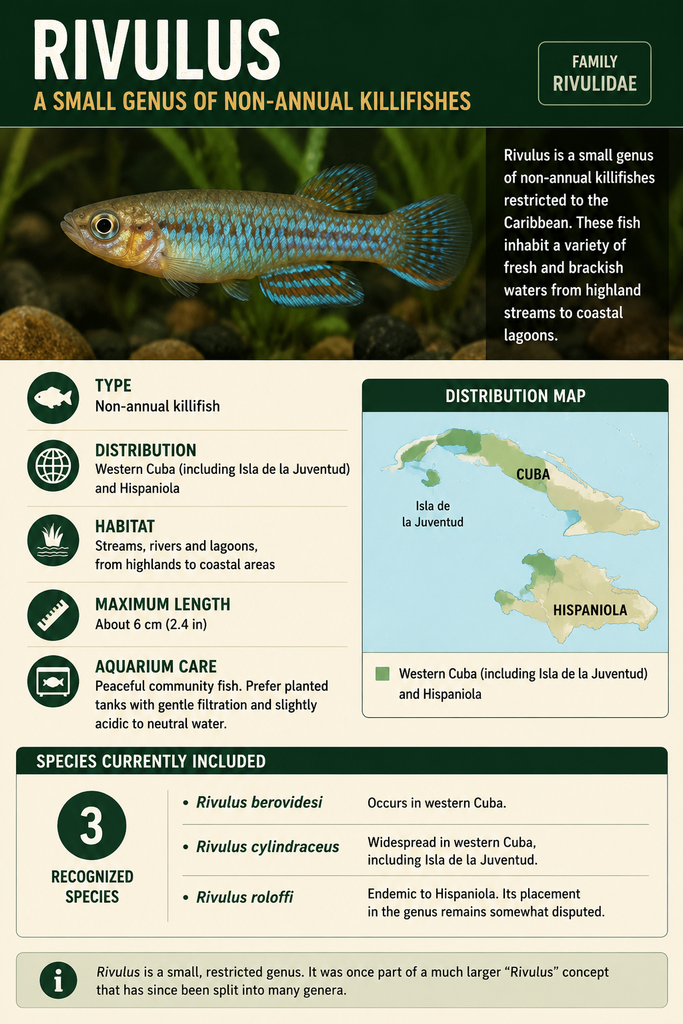
The Rivulus igneus, also known as the Fiery Rivulus, is a species of fish found in the rivers and streams of South America. These vibrant and colorful fish are known for their unique breeding behavior, where males build nests out of plant material and carefully guard their eggs until they hatch.
The Fiery Rivulus has become a popular choice among aquarium enthusiasts due to its striking appearance and interesting behavior. However, their population in the wild is threatened by habitat destruction and pollution. To combat this, conservation efforts are being made to protect their natural habitats and raise awareness about the importance of preserving diverse aquatic ecosystems.
One staggering statistic reveals that nearly 40% of all freshwater fish species are facing extinction due to human activities. This highlights the urgent need for conservation efforts to protect species like the Fiery Rivulus from disappearing forever. By taking action to preserve their habitats and raise awareness about the threats they face, we can help ensure that these beautiful fish continue to thrive in the wild for generations to come.
Are you familiar with the vibrant colors of the Rivulus igneus – Fiery Rivulus?
Rivulus igneus, also known as the Fiery Rivulus, is a stunning species of killifish with vibrant red and orange colors that are sure to catch the eye of any aquarium enthusiast. In this article, we will explore the unique characteristics and care requirements of the Rivulus igneus, as well as how to properly set up an aquarium to accommodate these beautiful fish. Let’s dive in and learn more about the Fiery Rivulus!
Rivulus igneus, also known as the Fiery Rivulus, is a stunning species of killifish that is native to South America. These fish are popular among aquarists for their vibrant colors and relatively easy care requirements compared to other species of killifish.
**Physical Characteristics**
Fiery Rivulus are small fish, typically only growing to about 2 inches in length. They have an elongated body shape with fins that are often brightly colored, ranging from fiery reds and oranges to electric blues and greens. The males of the species are even more striking, with vibrant colors and elaborate fin extensions used to attract females.
**Natural Habitat**
In the wild, Fiery Rivulus can be found in slow-moving streams, marshes, and flooded areas in regions of South America. They prefer densely vegetated areas where they can hide and forage for food among plants and detritus. These fish are adaptable and can thrive in a variety of water conditions, including slightly acidic to neutral pH levels and water temperatures between 72°F and 78°F.
**Feeding Habits**
Fiery Rivulus are carnivorous fish that primarily feed on small invertebrates like insects, worms, and crustaceans. In a home aquarium, they can be fed a diet of high-quality flake or pellet food, supplemented with live or frozen foods like bloodworms, brine shrimp, and daphnia.
**Breeding Behavior**
Breeding Fiery Rivulus can be a rewarding experience for aquarists, as these fish exhibit interesting courtship behaviors. Males will display their vibrant colors and fin extensions to attract females, who will lay their eggs in plants or other hiding spots. It is best to provide plenty of dense vegetation in the breeding tank for the females to deposit their eggs.
**Conservation Status**
Unfortunately, many species of killifish, including the Fiery Rivulus, are facing threats in their natural habitats such as habitat destruction, pollution, and overcollection for the aquarium trade. Conservation efforts are being made to protect these fish and their habitats, but more research and action are needed to ensure their survival in the wild.
In a recent study conducted by the International Union for Conservation of Nature (IUCN), it was found that approximately 30% of killifish species, including the Fiery Rivulus, are considered to be at risk of extinction.
What is the scientific name of the Fiery Rivulus?
The scientific name of the Fiery Rivulus is Rivulus igneus.
Where is the Fiery Rivulus commonly found?
The Fiery Rivulus is commonly found in streams and small bodies of water in South America.
What is the size of a Fiery Rivulus?
A Fiery Rivulus typically grows to be about 2-3 inches in length.
What does the Fiery Rivulus eat?
The Fiery Rivulus is a carnivorous fish that feeds on small insects and invertebrates.
Is the Fiery Rivulus a colorful fish?
Yes, the Fiery Rivulus is known for its vibrant red and orange coloration, hence its name.
How can I keep a Fiery Rivulus in a home aquarium?
To keep a Fiery Rivulus in a home aquarium, provide plenty of hiding spaces and a diet of live or frozen foods.
Does the Fiery Rivulus breed easily in captivity?
Yes, the Fiery Rivulus is known to breed readily in captivity, with the male taking on a more vibrant coloration during courtship.
Are Fiery Rivulus aggressive towards other fish?
Fiery Rivulus are relatively peaceful fish, but males may exhibit territorial behavior towards one another.
What water parameters are ideal for Fiery Rivulus?
Ideal water parameters for Fiery Rivulus include temperatures between 72-78°F and slightly acidic to neutral pH levels.
Can Fiery Rivulus jump out of an open aquarium?
Yes, Fiery Rivulus are known to be skilled jumpers, so it’s important to have a secure lid on the aquarium to prevent escape.
Conclusion
In conclusion, Rivulus igneus, also known as the Fiery Rivulus, is a stunning and unique species of killifish that inhabits the streams and rivers of South America. Its vibrant red and orange colors make it a popular choice among aquarium enthusiasts, but its small size and territorial behavior make it a challenging species to keep in captivity. This species is highly adaptable, being able to survive in a variety of habitats with different water qualities and temperatures.
The Fiery Rivulus is a carnivorous species that preys on small insects and invertebrates, using its impressive jumping abilities to catch its prey. Its breeding behavior is also fascinating, with males establishing territories and engaging in aggressive displays to attract females. Conservation efforts are crucial to protect the natural habitats of the Fiery Rivulus, as deforestation and pollution continue to threaten its existence. Overall, the Rivulus igneus serves as a reminder of the beauty and diversity of the aquatic life found in the freshwater ecosystems of South America.
