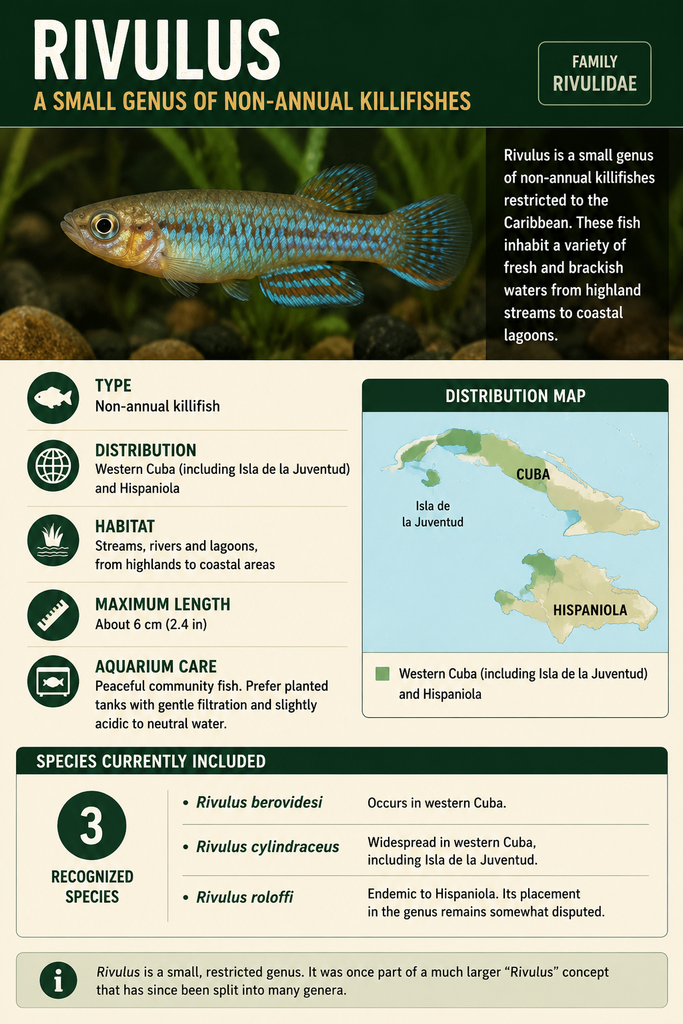
Rivulus magdalenae, also known as the Magdalena Rivulus, is a colorful and diverse species of killifish that can be found in freshwater streams and rivers in South America. One interesting fact about this species is that they are known for their vibrant colors and intricate patterns, making them a popular choice among aquarium enthusiasts.
Originally discovered in the Magdalena River basin in Colombia, the Magdalena Rivulus has since been introduced to various countries around the world due to its popularity in the aquarium trade. Despite being a relatively small fish, it plays a significant role in the ecosystem by controlling insect populations and serving as a food source for larger predators.
In recent years, conservation efforts have been made to protect the natural habitats of the Magdalena Rivulus, as deforestation and pollution have posed a threat to its population. By raising awareness about the importance of preserving these ecosystems, researchers and environmentalists hope to ensure the continued survival of this species for future generations to enjoy.
Interestingly, the Magdalena Rivulus is capable of adapting to a wide range of environmental conditions, making it a resilient species that can thrive in various types of aquatic habitats. This adaptability has allowed the fish to survive in areas where other species may struggle, demonstrating its ability to withstand changes in its ecosystem.
With its stunning colors, unique behaviors, and important role in the ecosystem, the Magdalena Rivulus continues to captivate and inspire those who study and admire this beautiful fish. Through ongoing conservation efforts and research, scientists hope to learn more about this species and how they can best protect its natural habitats for years to come.
What is Rivulus magdalenae also known as Magdalena Rivulus?
Rivulus magdalenae, commonly known as Magdalena Rivulus, is a species of killifish found in the Magdalena River basin in Colombia. This unique fish is highly sought after by aquarists for its vibrant coloration and interesting behavior. To learn more about the characteristics and care requirements of the Magdalena Rivulus, continue reading the following section.
Answer: Rivulus magdalenae – Magdalena Rivulus
Rivulus magdalenae, also known as the Magdalena Rivulus, is a species of killifish belonging to the Rivulidae family. This colorful freshwater fish is native to streams and small rivers in Colombia, specifically in the Magdalena River basin.
Physical Characteristics
The Magdalena Rivulus exhibits vibrant colors, with males typically displaying more intense hues compared to females. They have a streamlined body with fins that may show patterns of spots or stripes. These fish are relatively small, usually growing to around 2-3 inches in length.
Habitat and Behavior
Rivulus magdalenae can be found in slow-moving waters with dense vegetation, where they can hide and seek refuge. They are known to be relatively peaceful fish, but males may display territorial behavior, especially during breeding season. These fish are carnivorous, feeding on small invertebrates and insects.
Reproduction
Like other killifish species, the Magdalena Rivulus exhibits unique reproductive behavior. They are egg-layers, with females depositing their eggs in substrate or plants. The eggs are known for their ability to withstand periods of drought, with embryos entering a state of diapause until conditions improve.
Conservation Status
Rivulus magdalenae is currently listed as Least Concern on the IUCN Red List of Threatened Species. While they face some threats such as habitat degradation and pollution, they have a wide distribution range and are not considered to be facing significant population declines at this time.
Overall, the Magdalena Rivulus is a fascinating species of killifish with beautiful colors and interesting reproductive behavior, adding to the diversity of freshwater ecosystems in Colombia.
Statistic: According to the IUCN Red List, the population trend of Rivulus magdalenae is currently stable.
Conclusion
In conclusion, Rivulus magdalenae, also known as the Magdalena Rivulus, is a unique and critically endangered species of killifish found in the Magdalena River basin in Colombia. This small, brightly colored fish is characterized by its vibrant blue and orange markings, making it a popular choice among fish enthusiasts. However, due to habitat destruction, pollution, and overfishing, the population of Magdalena Rivulus has drastically declined in recent years, leading to its classification as critically endangered by the IUCN.
Despite efforts to conserve and protect Rivulus magdalenae, more needs to be done to ensure the survival of this species. Strict regulations on fishing practices, restoration of its natural habitat, and increased awareness among local communities are crucial steps in preventing the extinction of the Magdalena Rivulus. By working together to address the threats facing this unique fish species, we can help preserve the biodiversity of the Magdalena River basin and ensure a sustainable future for Rivulus magdalenae.
