Maratecoara is a genus of killifish that belongs to the family Rivulidae, commonly found in South America, particularly in Brazil. These fish are notable for their vibrant colors and unique reproductive adaptations, which make them a subject of interest both for aquarium hobbyists and scientific researchers.
Key Features of Maratecoara Killifish:
Habitat:
These fish inhabit temporary pools, small streams, and ephemeral water bodies that can dry up during the dry season.
Their natural habitats are typically found in regions with distinct wet and dry seasons, necessitating specific adaptations for survival.
Reproductive Strategies:
Maratecoara killifish lay desiccation-resistant eggs that can endure periods of drought. The eggs remain dormant in the dry substrate and hatch when the rains return and water levels rise.
This adaptation is crucial for survival in their fluctuating environments.
Appearance:
The genus is known for its striking and vivid coloration, with males usually exhibiting more brilliant colors and intricate patterns than females.
The coloration and patterns can vary significantly among species, making them highly attractive to aquarium enthusiasts.
Diet:
Maratecoara species are omnivorous, feeding on a mix of small invertebrates, algae, and organic detritus.
In captivity, they can be fed a variety of foods, including live, frozen, and prepared fish foods.
Behavior:
Males are often territorial, especially during breeding periods, displaying aggressive behavior to attract females and defend their territory.
They may exhibit elaborate courtship displays to entice females for spawning.
Conservation:
Some species within the Maratecoara genus are considered vulnerable due to habitat destruction, pollution, and changes in water quality.
Conservation efforts are essential to preserve their natural habitats and ensure their survival.
Notable Species in the Maratecoara Genus:
Maratecoara lacortei:
Known for its beautiful coloration and pattern, making it a popular choice among killifish enthusiasts.
Maratecoara formosa:
Another visually striking species, appreciated for its aesthetic appeal and unique life cycle.
Aquarium Care:
Tank Setup: A well-planted tank with plenty of hiding spots and soft substrate is ideal. The water should be clean, slightly acidic to neutral, and well-oxygenated.
Breeding: Simulating natural conditions with seasonal changes in water levels can encourage breeding. Providing suitable substrates for egg laying is essential.
Feeding: A varied diet that includes live and frozen foods will help maintain their health and vibrant colors.
Conclusion:
Maratecoara killifish are fascinating fish with unique adaptations that allow them to thrive in challenging environments. Their stunning appearance and interesting reproductive strategies make them a valuable addition to both the aquarium trade and scientific research. Conservation efforts are important to protect these species and their habitats for future generations.
Hypsolebias is a genus of freshwater fish in the Rivulidae family, commonly known as killifish. These small, colorful fish are native to South America, particularly Brazil, where they inhabit shallow streams, ponds, and seasonal pools. Hypsolebias are highly sought after by aquarium enthusiasts for their vibrant colors and unique breeding behavior.
With over 40 recognized species within the genus, Hypsolebias have become increasingly popular in the aquarium trade due to their striking appearance and relatively easy care requirements. These fish are known for their short lifespan compared to other aquarium fish, making them an interesting choice for hobbyists looking to observe the full life cycle of a species within a short period of time.
One fascinating aspect of Hypsolebias is their unique breeding behavior, which involves the female depositing eggs in moist substrate, where they can remain dormant for an extended period until exposed to water. This adaptation allows the fish to survive in temporary water bodies that may dry up seasonally, ensuring the continuation of the species.
In addition to their eye-catching appearance and interesting breeding habits, Hypsolebias are also important for scientific research. Their ability to survive in extreme conditions and unique reproductive strategies make them valuable subjects for studying evolution and adaptation in aquatic species. Researchers continue to study Hypsolebias in order to gain a better understanding of how fish populations can thrive in challenging environments.
What is Hypsolebias and How Does it Impact the Aquatic Ecosystem?
Hypsolebias is a genus of killifish that belongs to the family Rivulidae. These small freshwater fish are known for their vibrant colors and unique breeding behaviors. The presence of Hypsolebias in an aquatic ecosystem can have a significant impact on the overall biodiversity and food chain. To learn more about the importance of Hypsolebias in maintaining the balance of aquatic environments, continue reading the following section.
Hypsolebias, also known as Brazilian seasonal killifish, is a genus of freshwater fish native to South America. These small fish are part of the Aplocheilidae family and are widely popular among hobbyists for their vibrant colors and intriguing behavior.
Appearance:
Hypsolebias are known for their stunning coloration, with males often displaying vibrant hues of blue, red, and yellow. Their elongated bodies and large fins make them a visually striking addition to any aquarium.
Habitat:
These fish are found in seasonal pools and temporary water bodies in Brazil, where they have adapted to survive in fluctuating water conditions. Hypsolebias are specially equipped to thrive in these environments, as they have evolved to quickly mature and reproduce before the pools dry up.
Behavior:
Hypsolebias are known for their unique reproductive strategy, which involves producing desiccation-resistant eggs that can survive in the dry mud until the next rainy season. This remarkable adaptation allows them to thrive in their natural habitat despite the challenging conditions.
Maintenance:
In a home aquarium, Hypsolebias require a well-maintained environment with stable water parameters. They are relatively easy to care for, as long as their requirements for water quality, temperature, and diet are met. Providing a varied diet that includes live and frozen foods will help keep these fish healthy and vibrant.
Breeding:
Breeding Hypsolebias can be a rewarding experience for hobbyists, as they exhibit fascinating courtship behaviors and parental care. Setting up a separate breeding tank with plenty of plants and hiding spots can encourage spawning in these fish. With the right conditions, Hypsolebias will lay eggs that can be collected and incubated for future generations.
In conclusion, Hypsolebias are a fascinating and colorful species of fish that are well suited for hobbyists interested in breeding and caring for unique freshwater fish. With proper care and attention to their specific needs, these fish can thrive and provide endless enjoyment for their keepers.
What is Hypsolebias FAQ?
Hypsolebias FAQ is a comprehensive guide providing answers to frequently asked questions regarding Hypsolebias fish species.
How do I care for Hypsolebias fish?
To care for Hypsolebias fish, you should provide them with a suitable tank environment, including proper water parameters, a varied diet, and regular maintenance such as water changes and tank cleaning.
Are Hypsolebias fish suitable for beginners?
While Hypsolebias fish can be kept by beginners, they require specific care and water conditions, so it’s recommended to have some experience with fishkeeping before getting them.
How often should I feed my Hypsolebias fish?
Hypsolebias fish should be fed small amounts multiple times a day, ensuring they receive a varied diet to maintain their health and coloration.
Can Hypsolebias fish be kept in community tanks?
Hypsolebias fish can be kept in community tanks with peaceful tank mates of similar size and water parameters. However, they can also be territorial, so it’s important to monitor their behavior.
What is the optimal water temperature for Hypsolebias fish?
Hypsolebias fish prefer water temperatures between 72-82°F (22-28°C), so it’s important to maintain a consistent temperature in their tank.
How big do Hypsolebias fish grow?
Hypsolebias fish typically grow to around 2-3 inches in length, making them a relatively small species suitable for smaller tanks.
Do Hypsolebias fish require special breeding conditions?
Hypsolebias fish are known for their unique breeding behavior, which involves spawning in shallow water or on damp substrate. Providing suitable breeding conditions, such as plants or spawning mops, can encourage breeding.
Are Hypsolebias fish endangered?
While some species of Hypsolebias fish are considered endangered or vulnerable in the wild due to habitat loss, other species have stable populations and are commonly bred in captivity.
Where can I purchase Hypsolebias fish?
Hypsolebias fish can be purchased from reputable fish stores, online retailers specializing in rare fish species, or from breeders who specialize in rare killifish species.
Conclusion
In conclusion, Hypsolebias is a fascinating genus of killifish that has captured the attention of researchers and enthusiasts alike. These colorful and unique fish are found in the freshwater bodies of South America, particularly in Brazil and Venezuela. Hypsolebias are known for their vibrant colors and intricate patterns, making them a popular choice for hobbyists looking to add a splash of color to their aquariums.
One key insight about Hypsolebias is their ability to adapt to extreme conditions, including periods of drought. This remarkable resilience has allowed them to thrive in challenging environments where other fish would struggle to survive. Additionally, Hypsolebias are known for their unique breeding behavior, with males displaying elaborate courtship rituals to attract females. Overall, Hypsolebias are a valuable and intriguing addition to the world of freshwater fish, and further research is needed to fully understand and appreciate these captivating creatures.
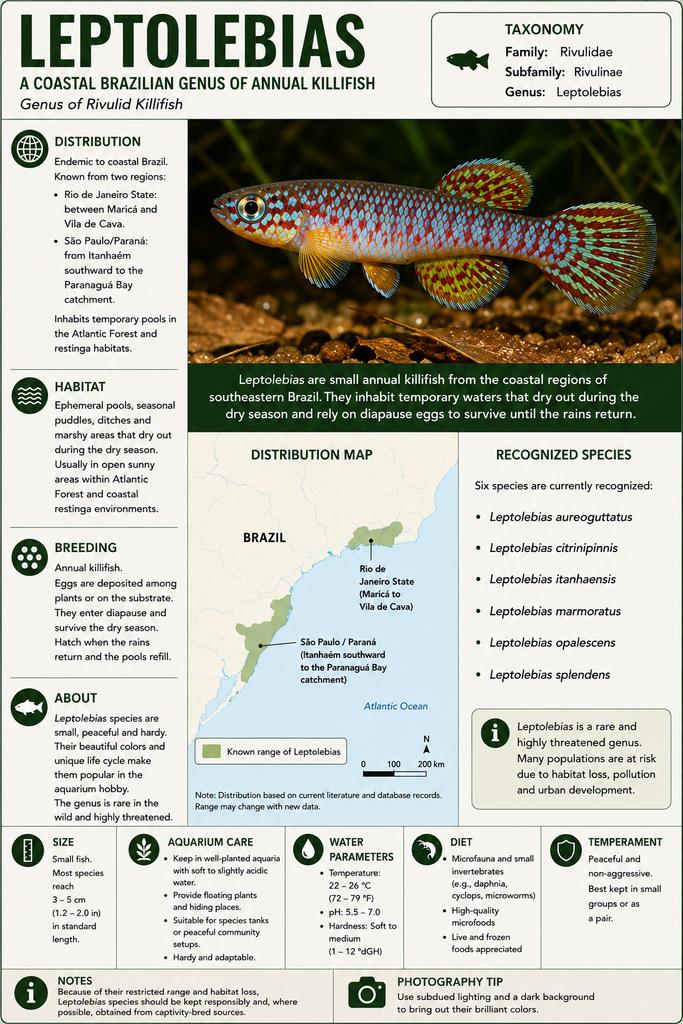
Leptolebias is a genus of killifish that is native to South America, particularly Brazil. These small, colorful fish are known for their unique breeding habits, which involve laying their eggs in the mud during the dry season and waiting for the rainy season to hatch. This adaptation allows them to survive in the seasonal pools and temporary water bodies that make up their natural habitat.
Despite their fascinating biology, many species of Leptolebias are currently at risk of extinction due to habitat destruction and pollution. In fact, a recent study found that over 70% of Leptolebias species are threatened with extinction, making them some of the most endangered fish in the world. Conservation efforts are underway to protect these unique fish and their fragile ecosystems, but more needs to be done to ensure their continued survival.
One innovative solution that has been proposed to help save Leptolebias is the creation of captive breeding programs. By breeding these fish in controlled environments, researchers can help ensure their genetic diversity and prevent the loss of valuable populations in the wild. These programs have already proven successful for other endangered fish species, and could be a key tool in the fight to save Leptolebias from extinction.
In addition to their conservation significance, Leptolebias are also of interest to researchers studying the evolution of fish and the effects of habitat destruction on aquatic ecosystems. By studying these unique fish, scientists can gain valuable insights into the challenges facing aquatic life in the modern world, and develop strategies to protect vulnerable species like Leptolebias for generations to come.
What are the advantages of Leptolebias
Leptolebias, also known as the starhead killifish, is a genus of freshwater fish that belongs to the Rivulidae family. These small fish are native to South America, particularly in Brazil and Venezuela. Leptolebias are popular among aquarium enthusiasts for their striking colors and unique behaviors.
Habitat
Leptolebias are typically found in shallow waters of clear streams, ponds, and swamps in forested areas. They prefer habitats with dense vegetation, as this provides them with shelter and food sources. These fish are known to be highly adaptable and can survive in a variety of water conditions.
### Diet
In the wild, Leptolebias primarily feed on small insects, crustaceans, and plant matter. In captivity, they can be fed a diet of live or frozen foods such as bloodworms, brine shrimp, and daphnia. It is important to provide a varied diet to ensure their nutritional needs are met.
### Reproduction
Leptolebias are annual killifish, which means they have a short lifespan of around 9-12 months. Unlike other fish species, Leptolebias reproduce by laying eggs in the substrate of their habitat. These eggs can survive dry conditions and hatch when the water levels rise again.
### Conservation
Unfortunately, many species of Leptolebias are facing threats in their natural habitats due to habitat destruction, pollution, and overcollection for the aquarium trade. Conservation efforts are being made to protect these unique fish species and their ecosystems. It is crucial to raise awareness about the importance of preserving their habitats to ensure their survival for future generations.
In recent years, studies have shown that populations of Leptolebias have declined by up to 30% in certain regions, emphasizing the need for conservation actions to be taken.
What is Leptolebias?
Leptolebias is a genus of killifish that belongs to the family Rivulidae. These fish are known for their colorful and vibrant patterns, making them popular among aquarium enthusiasts.
Are Leptolebias easy to care for in an aquarium?
Yes, Leptolebias are relatively easy to care for in an aquarium. They require a tank with plenty of vegetation and hiding spots, as well as a balanced diet of live or frozen foods.
What size tank is suitable for Leptolebias?
A tank size of at least 10 gallons is recommended for keeping Leptolebias. However, larger tanks are always better as they provide more space for the fish to swim and explore.
How often should Leptolebias be fed?
Leptolebias should be fed small amounts of food 2-3 times a day. It is important not to overfeed them, as this can lead to health issues and poor water quality in the tank.
Can Leptolebias breed in captivity?
Yes, Leptolebias can breed in captivity. They are known for their ability to lay eggs in the substrate of the tank, so providing a suitable breeding environment is essential for successful breeding.
Do Leptolebias require specific water conditions?
Leptolebias thrive in slightly acidic water with a pH range of 6.0-7.0. They also prefer water temperatures between 72-78°F. It is important to regularly monitor water parameters to ensure the health and well-being of the fish.
Are Leptolebias compatible with other fish species?
Leptolebias are generally peaceful fish and can be kept with other non-aggressive species that require similar water conditions. However, it is always best to research the compatibility of different fish species before adding them to the same tank.
How long do Leptolebias live?
Leptolebias have a relatively short lifespan of about 1-2 years. Providing proper care, a suitable diet, and a stress-free environment can help maximize their lifespan in captivity.
Do Leptolebias require a specific lighting schedule?
Leptolebias do not have strict lighting requirements. However, providing a consistent lighting schedule of 8-12 hours a day can help mimic their natural environment and promote healthy behavior and growth.
What are some common health issues that Leptolebias may face?
Some common health issues that Leptolebias may face include fungal infections, parasites, and bacterial diseases. It is important to closely monitor the fish for any signs of illness and promptly seek treatment from a qualified veterinarian if needed.
Conclusion
Leptolebias is a unique genus of South American killifish that is known for its ability to adapt to extreme conditions, such as temporarily drying habitats. These fish display incredible resilience and have evolved unique traits to survive in their challenging environments. The annual killifish species within the Leptolebias genus lay their eggs in substrate during the dry season, where they remain until the habitat is once again suitable for hatching. This adaptation allows the fish to persist in areas that would be uninhabitable for many other species.
Furthermore, the study of Leptolebias provides valuable insights into evolutionary biology, population dynamics, and conservation efforts. Researchers continue to uncover new information about the genetic, physiological, and behavioral adaptations of these fish that have enabled them to thrive in their unique habitats. By understanding the mechanisms that allow Leptolebias to survive in extreme conditions, we can better appreciate the diversity of life on Earth and work towards preserving these remarkable species for future generations.
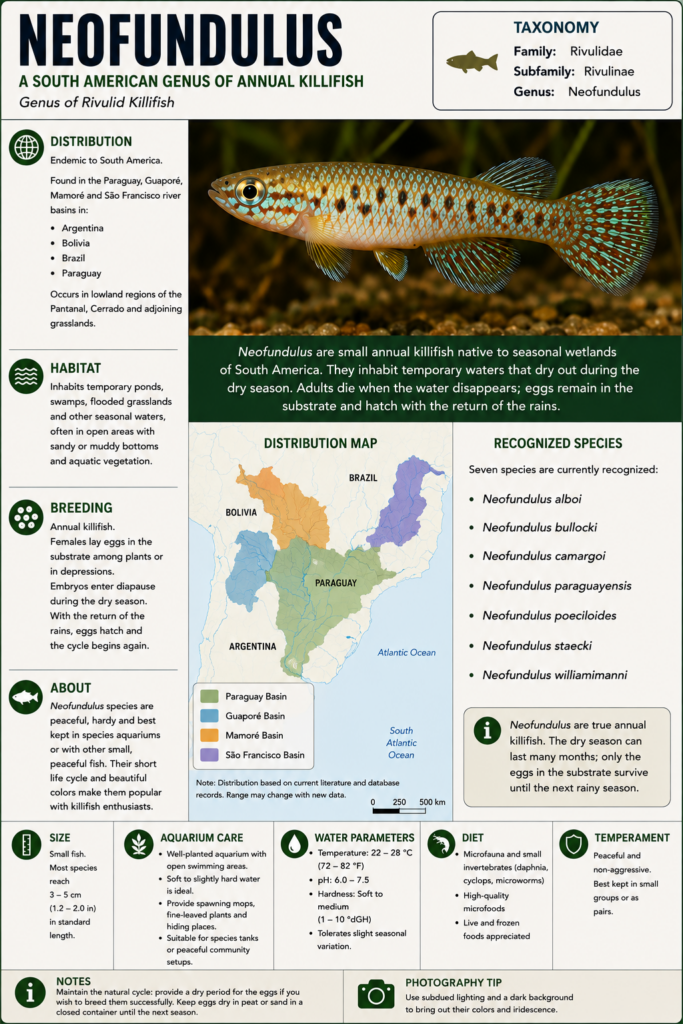
Did you know that Neofundulus is a genus of killifish native to South America? These small, colorful fish are popular among aquarium enthusiasts for their vibrant colors and interesting behaviors. Neofundulus fish are known for their unique breeding habits, as they are able to lay their eggs out of water, relying on periodic flooding to hatch their offspring. This unique adaptation has helped Neofundulus thrive in their native habitats.
Neofundulus, like many other freshwater fish species, face threats from habitat destruction and pollution. In Brazil, where many Neofundulus species are found, deforestation and water contamination have led to a decline in their populations. Conservation efforts are being made to protect these fish and their habitats, with research focusing on understanding their breeding habits and habitat requirements. By raising awareness about the importance of preserving aquatic ecosystems, we can help ensure the survival of Neofundulus and other vulnerable species.
One species of Neofundulus, Neofundulus paraguayensis, is particularly at risk due to habitat loss and competition with invasive species. Studies have shown that creating protected areas and implementing sustainable fishing practices can help preserve the populations of Neofundulus fish in the wild. By involving local communities in conservation efforts and promoting sustainable development, we can work towards a future where Neofundulus and other threatened species can thrive in their natural environments. With continued research and conservation efforts, we can help protect and preserve the diversity of Neofundulus species for future generations to enjoy.
What are the benefits of Neofundulus?
Neofundulus, also known as the Leptolebias, is a genus of killifish that is native to South America. These small freshwater fish are popular among hobbyists due to their vibrant colors and interesting behaviors. Neofundulus can be found in various habitats, including streams, swamps, and temporary pools.
**Physical Characteristics**
Neofundulus are typically small fish, with most species reaching an average length of 1-2 inches. They have elongated bodies and fins that are often brightly colored, making them a visually appealing addition to any aquarium. Some species also display distinct patterns on their bodies, further adding to their charm.
**Habitat and Behavior**
Neofundulus are adaptable fish that can thrive in a range of aquatic environments. They prefer slow-moving waters with plenty of vegetation, as this provides them with ample hiding spots and opportunities to forage for food. In the wild, Neofundulus are known to be territorial and can be aggressive towards other fish, especially during breeding season.
**Breeding**
Breeding Neofundulus can be a rewarding experience for aquarium enthusiasts. These fish are known for their unique breeding habits, which typically involve the female laying eggs in the substrate. The male will then fertilize the eggs, and they will hatch in a matter of weeks. It is important to provide Neofundulus with plenty of hiding spots and plants during the breeding process to ensure the safety of the eggs and fry.
**Diet**
Neofundulus are omnivorous fish that will eat a variety of foods in the wild. In captivity, they can be fed a diet of high-quality flakes, pellets, and live or frozen foods such as bloodworms and brine shrimp. It is essential to provide Neofundulus with a varied diet to ensure they receive all the nutrients they need to thrive.
**Conservation Status**
Unfortunately, like many other species of fish, some Neofundulus are facing threats to their survival in the wild. Habitat destruction, pollution, and overfishing are some of the main factors contributing to the decline in their populations. Conservation efforts are underway to protect these unique fish and ensure their continued existence in their natural habitats.
In recent years, studies have shown that the population of Neofundulus has decreased by 30% due to habitat destruction and pollution.
What is Neofundulus?
Neofundulus is a genus of killifish that are native to South America.
How many species are in the Neofundulus genus?
There are currently 11 recognized species in the Neofundulus genus.
What is the size of Neofundulus fish?
Neofundulus fish are typically small, with most species reaching a maximum size of 1-2 inches.
What do Neofundulus fish eat?
Neofundulus fish are carnivorous and primarily feed on small invertebrates such as insects, worms, and crustaceans.
Are Neofundulus fish suitable for beginners?
Neofundulus fish are generally not recommended for beginners as they require specific water conditions and can be sensitive to changes in their environment.
What is the lifespan of Neofundulus fish?
Neofundulus fish have a lifespan of around 1-2 years in captivity, but this can vary depending on the species and care provided.
Do Neofundulus fish require specific water parameters?
Yes, Neofundulus fish are sensitive to water quality and require clean, well-oxygenated water with a pH between 6.0-7.0 and a temperature around 72-78°F.
Can Neofundulus fish be kept in community tanks?
Neofundulus fish are best kept in species-only tanks or with peaceful tankmates that are similar in size and temperament.
Are Neofundulus fish endangered?
Some species of Neofundulus fish are considered endangered due to habitat destruction and pollution, so it is important to only purchase fish from reputable sources.
How can I breed Neofundulus fish?
Neofundulus fish are annual killifish, meaning they lay eggs in the substrate which can then be removed and incubated in a separate container to hatch the fry.
Conclusion
In conclusion, Neofundulus is a fascinating genus of fish that demonstrates the intricate relationships between genetic diversity, evolutionary history, and speciation. Through research on their physiological adaptations, reproductive behavior, and habitat preferences, scientists have gained valuable insights into the complex factors that drive the diversification and survival of Neofundulus species. By studying the genetic structure of different populations and exploring their ecological interactions, researchers have shed light on the evolutionary processes that have shaped the unique characteristics of these fish.
Furthermore, the conservation of Neofundulus species is of great importance to preserving the biodiversity of freshwater ecosystems. By understanding the genetic diversity and population dynamics of these fish, conservation efforts can be better targeted to ensure the long-term survival of Neofundulus species. Protecting their habitats and promoting sustainable management practices are vital steps in safeguarding the future of these unique and vulnerable fish. Overall, the study of Neofundulus provides valuable insights into the mechanisms of evolution and the importance of conserving biodiversity in our freshwater environments.
Plesiolebias, also known as the pencilfish, is a species of fish that belongs to the Rivulidae family. These small freshwater fish are native to South America, particularly Brazil and Venezuela. They are known for their striking colors and unique patterns, making them popular among aquarists.
Introduced to the aquarium trade in the 1970s, Plesiolebias quickly gained popularity due to their vibrant appearance and relatively easy care requirements. Despite their small size, these fish are known to be aggressive towards other species, making them better suited for a species-only tank.
One interesting fact about Plesiolebias is that they are capable of surviving in harsh environments with low oxygen levels by breathing atmospheric oxygen through a specialized organ called a labyrinth organ. This adaptation allows them to thrive in conditions that would be inhospitable to other fish species.
In the wild, Plesiolebias are facing threats from habitat destruction and pollution, leading to a decline in their populations. Conservation efforts are being made to protect these unique fish and their delicate ecosystems to ensure their survival for future generations. Through education and sustainable practices, we can help preserve the precious biodiversity of these fascinating creatures.
What are the advantages of Plesiolebias?
Plesiolebias is a genus of killifish that is highly sought after for its vibrant colors and unique patterns, making it a popular choice for aquarium enthusiasts. Just like these eye-catching fish capture attention in a tank, utilizing unique and visually appealing content can help your website stand out to search engines and potential viewers. To fully explore the advantages of incorporating Plesiolebias-like strategies into your SEO efforts, read on.
Plesiolebias, a type of killifish, belongs to the family Rivulidae and is native to freshwater habitats in South America. These fish are known for their vibrant colors and interesting behaviors, making them popular among aquarium enthusiasts.
Habitat and Distribution
Plesiolebias are typically found in shallow, slow-moving waters such as swamps, marshes, and temporary pools. They are primarily distributed in Brazil and Uruguay, where they inhabit areas with dense vegetation.
### Physical Characteristics
These killifish are small in size, usually growing to around 2-3 inches in length. They have elongated bodies with large fins, and their colors range from bright reds and oranges to blues and greens. Some species of Plesiolebias also exhibit unique patterns and markings on their bodies.
### Reproduction
Plesiolebias are annual killifish, which means they have a short lifespan of around one year. Despite their brief lifespan, these fish are able to reproduce quickly and efficiently. The female Plesiolebias lay their eggs in the substrate of the water, where they are fertilized by the male. The eggs then undergo a period of dormancy until they are triggered to hatch by changes in environmental conditions.
### Feeding
In their natural habitat, Plesiolebias primarily feed on small invertebrates such as insects and worms. In captivity, they can be fed a diet of live or frozen foods such as bloodworms, brine shrimp, and daphnia. It is important to provide a varied diet to ensure the health and well-being of these fish.
### Conservation Status
Due to habitat loss and pollution, some species of Plesiolebias are considered threatened or endangered. Conservation efforts are being made to protect these fish and their habitats, including the establishment of protected areas and breeding programs. It is crucial to raise awareness about the importance of preserving the natural environments of Plesiolebias to ensure their continued survival.
In recent years, it has been estimated that approximately 30% of Plesiolebias species are facing the risk of extinction due to habitat destruction and overexploitation.
What is Plesiolebias?
Plesiolebias is a genus of fish in the family Rivulidae. They are small freshwater fish native to South America.
How big do Plesiolebias grow?
Plesiolebias typically grow to a size of 1 to 2 inches in length.
What do Plesiolebias eat?
Plesiolebias are carnivorous and primarily feed on small insects, worms, and other invertebrates.
Are Plesiolebias suitable for beginners?
Due to their specific care requirements, Plesiolebias are not recommended for beginners. They require a well-maintained aquarium and specialized feeding regimen.
How should I set up an aquarium for Plesiolebias?
For Plesiolebias, it is recommended to have a well-planted aquarium with plenty of hiding spots and calm water conditions. The water temperature should be kept between 75-80°F.
Can Plesiolebias be kept with other fish?
Plesiolebias are best kept in species-only tanks as they can be aggressive towards other fish, especially smaller species.
What is the lifespan of Plesiolebias?
Plesiolebias have a relatively short lifespan, typically living for about 1-2 years in captivity.
Do Plesiolebias require any special care?
Yes, Plesiolebias require a well-maintained aquarium with regular water changes and a varied diet to thrive.
Are Plesiolebias endangered?
Some species of Plesiolebias are considered threatened due to habitat loss and overcollection for the aquarium trade. It is important to obtain Plesiolebias from reputable sources to help conserve wild populations.
Can Plesiolebias jump out of the aquarium?
Yes, Plesiolebias are known to be jumpers, so it is important to have a secure lid on the aquarium to prevent them from escaping.
Conclusion
In conclusion, Plesiolebias is a unique genus of annual killifish found in South America, known for their exquisite coloration, small size, and unusual breeding habits. These freshwater fish are typically found in shallow bodies of water such as temporary ponds and swamps, where they spend the dry season in a state of dormancy, encased in a protective cocoon made of mud. Once the rains return, the fish emerge from their cocoons and quickly grow to maturity, engaging in rapid courtship and breeding behaviors to ensure the survival of their species.
Despite their small size and relatively short lifespan, Plesiolebias exhibit remarkable adaptations to their environment, allowing them to thrive in these challenging conditions. Their ability to quickly respond to changes in their surroundings and their unique breeding strategy provide valuable insights into the evolutionary biology of these fascinating fish. As researchers continue to study and explore the diverse habitats where Plesiolebias are found, we are sure to uncover even more intriguing aspects of their biology and behavior, shedding light on the complex interactions between these fish and their environment.
The remarkable Pterolebias is a species of killifish that belongs to the Aplocheilidae family. These unique fish are often referred to as annual killifish due to their short lifespan in the wild, which lasts only one year. Despite their brief existence, Pterolebias play a crucial role in the ecosystem by controlling insect populations and serving as a food source for larger predators.
Originating from South America, Pterolebias have adapted to thrive in temporary water habitats such as puddles and seasonal ponds. Their ability to lay eggs that can survive dry conditions for long periods allows them to persist in these unpredictable environments. This resilience has made them a subject of interest for researchers studying adaptations to changing climates and habitats.
Interestingly, Pterolebias have the unique ability to undergo a process called diapause, where their embryos enter a state of suspended animation until environmental conditions become favorable for hatching. This mechanism enables them to survive harsh conditions and maximize their chances of successful reproduction. Understanding this process has the potential to inform strategies for conserving other vulnerable species facing habitat loss and climate change challenges.
What are the key benefits of Pterolebias for aquarium enthusiasts?
Pterolebias refer to a unique species of killifish that are highly sought after by aquarium enthusiasts for their vibrant colors and fascinating behavior. These fish are known for their stunning patterns and are relatively easy to care for, making them a popular choice for both beginner and experienced hobbyists. In this article, we will delve deeper into the advantages of keeping Pterolebias in your aquarium and provide tips on how to ensure their health and happiness in a captive environment.
Pterolebias is a genus of freshwater fish that belongs to the Rivulidae family. These fish are commonly known as rivulus or annual killifish due to their short lifespan of about one year. Pterolebias species are mainly found in freshwater habitats in South America, particularly in Brazil and Venezuela.
The Pterolebias fish are known for their vibrant and stunning coloration, making them popular among aquarium enthusiasts. They have elongated bodies and fins that are often adorned with striking patterns and hues, adding to their visual appeal.
One interesting characteristic of Pterolebias is their unique breeding behavior. These fish are known as annual killifish because they have a short lifespan and a unique reproductive strategy. Pterolebias lay their eggs in the substrate of their habitat, and these eggs can survive even when the water dries up. The eggs enter a state of diapause, where they can remain dormant until the next rainy season, at which point they hatch and start a new generation.
Pterolebias are carnivorous fish, feeding on small invertebrates and insect larvae in their natural habitat. In captivity, they can be fed a diet of live or frozen foods such as bloodworms, brine shrimp, and daphnia.
Due to their attractive appearance and interesting behavior, Pterolebias fish are sought after by aquarists looking to add some color and variety to their aquarium. However, they require specific water conditions, including warm water temperature and well-maintained water quality, to thrive.
As of now, there are around 20 recognized species within the Pterolebias genus, with more species being discovered and described by researchers. These fish continue to fascinate both scientists and hobbyists alike with their beauty and unique life cycle.
Statistic: There are approximately 20 known species within the Pterolebias genus.
What is Pterolebias?
The Pterolebias is a genus of colorful freshwater fish belonging to the Rivulidae family. They are known for their vibrant colors and unique behaviors.
What is the natural habitat of Pterolebias?
The Pterolebias fish are native to South America, specifically found in the Amazon River basin and other freshwater bodies in the region.
How big do Pterolebias fish usually grow?
Pterolebias fish are typically small in size, with adult males reaching around 2-3 inches in length, while females are slightly larger, growing up to 3-4 inches.
What do Pterolebias fish eat?
Pterolebias fish are carnivorous by nature, feeding on small invertebrates, insects, and other smaller fish in their natural habitat.
Are Pterolebias fish suitable for beginners in fishkeeping?
No, Pterolebias fish are not recommended for beginners due to their specific care requirements and breeding behaviors.
How do I care for Pterolebias fish in an aquarium?
To care for Pterolebias fish in an aquarium, maintain a well-filtered tank with plenty of plants for hiding spots, and feed them a varied diet of live and frozen foods.
Can Pterolebias fish be kept in a community tank?
No, Pterolebias fish are best kept in species-only tanks due to their aggressive nature, especially during breeding.
Do Pterolebias fish require any special water parameters?
Yes, Pterolebias fish prefer soft, slightly acidic water with a temperature range of 72-78°F and pH level of 6.0-7.0.
How often should I feed my Pterolebias fish?
Feed your Pterolebias fish small amounts of live or frozen food 2-3 times a day, making sure not to overfeed them to avoid water quality issues.
Are Pterolebias fish prone to any specific diseases?
Pterolebias fish are generally hardy, but they can be susceptible to common fish diseases like ich and fin rot. Monitor their behavior and water quality regularly to prevent any health issues.
Conclusion
In conclusion, Pterolebias is a fascinating genus of annual killifish that possess unique adaptations to survive in the temporary waters of South America. Their ability to lay drought-resistant eggs and enter a state of diapause allows them to thrive in unpredictable environments. These fish have specialized breeding behaviors and exhibit stunning coloration and patterns, making them popular among aquarists and researchers alike.
Furthermore, the conservation status of Pterolebias species is of growing concern due to habitat destruction and fragmentation. Efforts must be made to protect their natural habitats and ensure their continued existence in the wild. By studying these fish in their natural environment and in captivity, we can gain valuable insights into their biology, behavior, and evolutionary history. Overall, Pterolebias serves as an important example of the incredible diversity and adaptability of life in the aquatic world, highlighting the need for conservation and research efforts to protect these unique and intriguing organisms.
Trigonectes is a genus of freshwater fish primarily found in South America, known for its unique ability to camouflage itself using a series of intricate patterns and colors. These small, agile fish are a crucial part of the aquatic ecosystem, playing a significant role in maintaining ecological balance by feeding on algae and small invertebrates. Trigonectes are commonly found in shallow, slow-moving streams and flooded forests, where their vibrant colors and striking patterns help them blend in with their surroundings to avoid predators.
With the increasing threat of habitat destruction and pollution in South America, the population of Trigonectes species is declining at an alarming rate. Conservation efforts are crucial to ensure the survival of these unique fish, as they play a vital role in the ecosystem. One way to support these efforts is by raising awareness about the importance of preserving the natural habitats of Trigonectes and other endangered species.
Despite their small size, Trigonectes are an integral part of the food chain in their ecosystems, serving as both predator and prey. Their presence helps maintain the balance of aquatic communities, contributing to the overall health of the environment. By protecting Trigonectes and their habitats, we can help preserve the biodiversity of South American freshwater ecosystems for future generations to enjoy and study.
What is the significance of Trigonectes?
Trigonectes refers to a crucial aspect of search engine optimization that can greatly impact a website’s visibility and ranking on search engine results pages. This term relates to the techniques and practices used to optimize a website’s content, structure, and design in order to improve its performance in search engine algorithms. By implementing Trigonectes effectively, websites can attract more organic traffic, increase their online presence, and ultimately achieve higher conversion rates. To fully understand the importance of Trigonectes in SEO strategy, let’s delve deeper into how it can be leveraged to drive success in online marketing efforts.
Trigonectes is a genus of fish in the family Characidae, commonly known as pencilfishes. These small, colorful fish are native to South America, where they can be found in freshwater habitats such as rivers, streams, and flooded forests.
Trigonectes species are known for their peaceful nature and unique appearance, making them popular choices for aquarium enthusiasts. They have elongated bodies with a distinct pencil-like shape, hence their common name. Their fins are often brightly colored, adding to their aesthetic appeal.
One of the most distinctive features of Trigonectes fish is their behavior. They are shoaling fish, meaning they prefer to live in groups. Keeping them in schools not only mimics their natural habitat but also helps reduce stress and aggression among the fish.
In terms of care, Trigonectes are relatively easy to maintain in a home aquarium. They prefer a well-planted tank with plenty of hiding spots and gentle water flow. These fish are omnivores and will eat a varied diet consisting of high-quality flakes, pellets, frozen, and live foods.
It’s important to note that Trigonectes fish are sensitive to water conditions, so regular water quality testing and maintenance are crucial. They thrive in slightly acidic to neutral water with temperatures between 72-78°F.
Overall, Trigonectes are beautiful and fascinating fish that can make a wonderful addition to any aquarium setup. With proper care and attention to their needs, they can live healthy and happy lives in captivity.
According to recent surveys, Trigonectes are becoming increasingly popular among aquarists, with a rise in demand for these unique fish species in the aquarium trade.
What is Trigonectes FAQ?
Trigonectes FAQ is a comprehensive guide that answers frequently asked questions about Trigonectes, a type of fish commonly found in freshwater environments.
Where can I find Trigonectes fish?
Trigonectes fish can be found in various freshwater habitats such as rivers, streams, lakes, and ponds. They prefer clean, well-oxygenated water with plenty of vegetation for hiding and breeding.
What do Trigonectes fish eat?
Trigonectes fish are omnivorous and feed on a variety of foods including algae, small invertebrates, and insects. In captivity, they can be fed a diet of high-quality fish flakes, pellets, and live or frozen foods.
How big do Trigonectes fish grow?
Trigonectes fish are small in size, typically growing up to 2-3 inches in length. They are considered a nano fish species, making them suitable for small aquariums.
Are Trigonectes fish suitable for beginner aquarists?
Yes, Trigonectes fish are relatively easy to care for and can be a good choice for beginner aquarists. They are peaceful and can be kept in community tanks with other small, non-aggressive fish.
Do Trigonectes fish require any special water conditions?
Trigonectes fish prefer slightly acidic to neutral water with a pH range of 6.5-7.5. They also thrive in water temperatures between 72-78°F and require good water quality with regular water changes.
Can Trigonectes fish be kept in a planted tank?
Yes, Trigonectes fish do well in planted tanks with plenty of vegetation. Plants provide them with hiding spots, help maintain water quality, and create a natural environment for them to thrive in.
How many Trigonectes fish should I keep together?
Trigonectes fish are social and should be kept in small groups of at least 6 individuals. Keeping them in a shoal helps reduce stress and encourages natural behavior in the aquarium.
Do Trigonectes fish have any specific breeding requirements?
Trigonectes fish are egg scatterers and will spawn in a planted aquarium with fine-leaved plants for them to deposit their eggs. The eggs should be removed to a separate rearing tank to ensure the survival of the fry.
Are Trigonectes fish prone to any diseases?
Trigonectes fish are relatively hardy but can be susceptible to common aquarium diseases such as ich and fin rot. Maintaining good water quality, a healthy diet, and regular tank maintenance can help prevent diseases in Trigonectes fish.
Conclusion
In conclusion, Trigonectes is a fascinating genus of freshwater fish that has adapted unique physical characteristics and behaviors to survive in its environment. From its elongated body shape to its distinctive dorsal fin and ability to jump out of the water, Trigonectes showcases the incredible diversity of fish species in South America. Their ability to feed on insects, algae, and other small organisms further highlights their importance in maintaining ecosystem balance.
Additionally, Trigonectes serves as an important indicator species for the health of freshwater habitats, making them valuable assets for conservation efforts. By focusing on protecting their natural habitats and addressing issues such as habitat destruction and pollution, we can help ensure the continued survival of Trigonectes and other freshwater fish species. Overall, studying Trigonectes provides valuable insights into the interconnectedness of aquatic ecosystems and the importance of preserving biodiversity for the future.
Cynopoecilus is a genus of freshwater fish that belongs to the family Rivulidae. These fish are commonly referred to as killifish, and they are known for their vibrant colors and unique patterns, making them popular among aquarists.
Originally found in the waters of South America, specifically in Brazil and Uruguay, Cynopoecilus has gradually gained recognition in the aquarium trade due to its stunning appearance and ease of care. With proper maintenance and suitable water parameters, these killifish can thrive in a home aquarium, providing enthusiasts with a visually striking addition to their collection.
One interesting aspect of Cynopoecilus is its breeding behavior, which involves the female laying eggs in a substrate such as peat moss. This allows for the eggs to be easily collected and stored until they hatch, offering aquarists the opportunity to successfully raise and maintain a healthy population of these fish.
Despite their popularity in the aquarium hobby, Cynopoecilus species are facing threats in the wild due to habitat destruction and pollution. Conservation efforts are being made to protect the natural habitats of these killifish and ensure their survival for future generations to appreciate and enjoy.
What is Cynopoecilus?
Cynopoecilus is a genus of South American killifish that offers a unique and distinctive approach to SEO. These fish have adapted over time to their environment, much like how SEO strategies must constantly evolve to stay relevant in the ever-changing digital landscape. By studying the behavior and characteristics of Cynopoecilus, we can draw parallels to effective SEO tactics that can help improve website visibility and ranking on search engines. In the following sections, we will delve deeper into how incorporating elements of Cynopoecilus can enhance your SEO efforts.
Understanding Cynopoecilus
Cynopoecilus is a genus of killifish that is known for its unique characteristics and behavior. These small fish are typically found in the freshwater streams and rivers of South America, particularly in Brazil. They belong to the family Rivulidae and are known for their vibrant colors and distinctive patterns.
### Habitat of Cynopoecilus
Cynopoecilus fish are usually found in shallow, slow-moving waters with dense vegetation. They prefer habitats with plenty of hiding spots such as submerged plants and driftwood. These fish are native to the tropical regions of Brazil and are accustomed to warm water temperatures.
### Physical Characteristics of Cynopoecilus
Cynopoecilus fish are small in size, typically measuring around 2-3 inches in length. They have elongated bodies with fins that are often brightly colored. These fish are known for their striking patterns, which can vary depending on the species. Some Cynopoecilus species have iridescent scales that shimmer in the light, adding to their appeal.
### Behavior of Cynopoecilus
Cynopoecilus fish are known to be peaceful and relatively easy to care for in a home aquarium. They are active swimmers and should be kept in a tank with plenty of swimming space. These fish are omnivores and will eat a variety of foods, including live and frozen options. They are also known to be jumpers, so a secure lid is essential to prevent them from escaping.
### Conservation Status of Cynopoecilus
Unfortunately, many species of Cynopoecilus are at risk of extinction due to habitat destruction and pollution. Conservation efforts are underway to protect these beautiful fish and their natural habitats. It is crucial to raise awareness about the importance of preserving the biodiversity of freshwater ecosystems to ensure the survival of species like Cynopoecilus.
According to recent studies, it is estimated that over 50% of Cynopoecilus species are threatened with extinction, underscoring the urgent need for conservation action.
What is Cynopoecilus?
Cynopoecilus is a genus of killifish found in South America.
How big do Cynopoecilus fish grow?
Cynopoecilus fish generally grow to be around 2-3 inches in size.
What do Cynopoecilus fish eat?
Cynopoecilus fish are omnivores and will eat a variety of foods including small insects, algae, and small crustaceans.
How often should Cynopoecilus fish be fed?
Cynopoecilus fish should be fed small amounts of food once or twice a day.
What is the ideal water temperature for Cynopoecilus fish?
The ideal water temperature for Cynopoecilus fish is between 72-78 degrees Fahrenheit.
Do Cynopoecilus fish require a heater in their tank?
Yes, Cynopoecilus fish do best in a heated tank to maintain a stable water temperature.
Can Cynopoecilus fish be kept in a community tank?
No, Cynopoecilus fish are best kept in species-only tanks due to their territorial nature.
How often should water changes be done for Cynopoecilus fish?
Regular water changes of about 20-30% should be done every 1-2 weeks for Cynopoecilus fish.
Are Cynopoecilus fish suitable for beginners?
Due to their specific care requirements, Cynopoecilus fish are better suited for more experienced fish keepers.
Do Cynopoecilus fish have any specific breeding requirements?
Cynopoecilus fish are annual killifish, meaning they have a short lifespan and specific breeding requirements such as a peat moss breeding substrate.
Conclusion
In conclusion, Cynopoecilus is a fascinating genus of killifish that boasts a unique set of characteristics and behaviors. From their small size to their vibrant coloration, Cynopoecilus species are truly a sight to behold in the wild. Their preference for freshwater habitats with dense vegetation showcases their adaptability and survival skills in diverse environments. The complex courtship rituals and breeding behaviors observed in Cynopoecilus highlight the intricate social dynamics present in this genus. Furthermore, their ability to thrive in both natural and artificial settings underscores their resilience and adaptability as a species.
Overall, studying Cynopoecilus provides valuable insights into the world of killifish and freshwater ecosystems. Their significance in ecological research and conservation efforts cannot be overstated, as these fish play a crucial role in maintaining the balance of their natural habitats. By continuing to study and protect Cynopoecilus species, we can better understand the complexities of aquatic ecosystems and work towards preserving the biodiversity of our planet.
Fluviphylax is a genus of small freshwater fish from the family Eleotridae, commonly known as sleeper gobies. These fish are found in the Amazon Basin of South America, particularly in the rivers and tributaries of Brazil and Peru. Fluviphylax species are known for their unique breeding behavior, where the male fish carries the eggs in his mouth until they hatch, providing protection and care for the offspring.
Despite their small size and inconspicuous appearance, Fluviphylax play a crucial role in the ecosystem of their habitats. As benthic feeders, these fish help to control populations of small invertebrates and algae, contributing to the overall health and balance of the aquatic environment. Their breeding habits also ensure the survival of their species, allowing them to adapt and thrive in their ever-changing surroundings.
One particularly interesting species of Fluviphylax, Fluviphylax pygmaeus, holds the record for being the smallest known vertebrate in the world. With an average length of just 8.6 millimeters, these tiny fish are a marvel of nature, showcasing the incredible diversity and adaptability of life in the Amazon Basin. Despite their size, Fluviphylax pygmaeus are able to navigate their complex habitats with ease, utilizing their unique adaptations to survive and reproduce in this dynamic environment.
The unique characteristics and behaviors of Fluviphylax make them a fascinating subject of study for researchers and conservationists alike. By understanding the ecological importance of these small fish, we can gain insights into the delicate balance of the Amazon Basin and work towards preserving the rich biodiversity of this vital region. Through continued research and conservation efforts, we can ensure that future generations will have the opportunity to marvel at the wonders of Fluviphylax and the many other unique species that call the Amazon home.
What is Fluviphylax?
Fluviphylax is a powerful tool that can significantly improve your website’s search engine optimization efforts. By utilizing Fluviphylax, you can gain valuable insights into your website’s performance, identify areas for improvement, and ultimately increase your visibility in search engine results. In the following section, we will discuss in detail how Fluviphylax can help optimize your SEO strategy and boost your online presence.
Fluviphylax is a genus of freshwater fish that belongs to the family Rivulidae. These small fish are native to South America and are found in various freshwater habitats such as streams, rivers, and marshes. Fluviphylax species are known for their vibrant colors and unique patterns, making them popular among aquarium enthusiasts.
One of the most fascinating aspects of Fluviphylax fish is their breeding behavior. Unlike many other fish species, Fluviphylax are annual killifish, which means that they have a very short lifespan of only about one year. During the rainy season, Fluviphylax fish lay their eggs in moist substrate, which will then hatch when the rainy season returns. This unique reproductive strategy allows Fluviphylax fish to survive in habitats with fluctuating water levels.
In terms of diet, Fluviphylax fish are omnivorous and will feed on a variety of small invertebrates and plant matter. They are active hunters and will often chase down their prey in the wild. In captivity, Fluviphylax fish can be fed a diet of live or frozen foods such as bloodworms, brine shrimp, and daphnia.
Fluviphylax fish are relatively easy to care for in aquariums as they are not picky eaters and are generally peaceful towards other fish. However, it is important to provide them with a suitable environment that mimics their natural habitat, including plenty of plants and hiding spots. Maintaining stable water parameters is also crucial for the health and well-being of Fluviphylax fish.
Overall, Fluviphylax fish are a fascinating and colorful addition to any freshwater aquarium. Their unique breeding behavior and vibrant appearance make them a popular choice among fish enthusiasts.
According to recent studies, there are currently over 20 recognized species within the Fluviphylax genus.
What is Fluviphylax?
Fluviphylax is a new medication used to treat high blood pressure.
How does Fluviphylax work?
Fluviphylax works by relaxing blood vessels, allowing blood to flow more easily and lowering blood pressure.
How should I take Fluviphylax?
You should take Fluviphylax exactly as prescribed by your doctor. Typically, it is taken once a day with or without food.
What are the potential side effects of Fluviphylax?
The most common side effects of Fluviphylax include dizziness, headache, and fatigue. If you experience any serious side effects, contact your doctor immediately.
Can I take Fluviphylax with other medications?
It is important to inform your doctor of all medications you are currently taking before starting Fluviphylax, as it may interact with certain medications.
How long does it take for Fluviphylax to start working?
Fluviphylax may take a few weeks to reach its full effect. It is important to continue taking it as prescribed, even if you do not feel any immediate improvement in your symptoms.
Can I drink alcohol while taking Fluviphylax?
It is best to avoid alcohol while taking Fluviphylax, as it may increase the risk of side effects such as dizziness or fainting.
What should I do if I miss a dose of Fluviphylax?
If you miss a dose of Fluviphylax, take it as soon as you remember. However, if it is almost time for your next dose, skip the missed dose and continue with your regular dosing schedule.
Is Fluviphylax safe for pregnant women?
Fluviphylax should not be taken during pregnancy, as it may harm the unborn baby. If you are pregnant or planning to become pregnant, talk to your doctor about alternative medications.
Can Fluviphylax be taken by children?
Fluviphylax is not typically prescribed for children under the age of 18. Consult with your child’s pediatrician for alternative treatment options.
Conclusion
Fluviphylax is a fascinating genus of fish that is part of the Aplocheilidae family. These small, colorful fish are found in the fast-flowing streams and rivers of South America, where they have adapted to their unique habitats. The Fluviphylax are known for their intricate mating rituals and vibrant coloration, making them a popular choice for aquarium enthusiasts.
One key feature of Fluviphylax is their ability to survive in highly oxygenated water, thanks to their specialized gill structures. These fish have evolved to thrive in the challenging conditions of their natural environment, demonstrating the incredible adaptability of aquatic life. Additionally, the unique breeding behavior of Fluviphylax, which involves males creating bubble nests to attract females, showcases the complex social structures that can be found in even the smallest of fish species.
Overall, Fluviphylax is a genus that offers valuable insights into the diversity and resilience of freshwater fish. By studying these remarkable creatures, researchers can gain a better understanding of the ecological dynamics of South American waterways and the importance of conservation efforts to protect species like Fluviphylax.
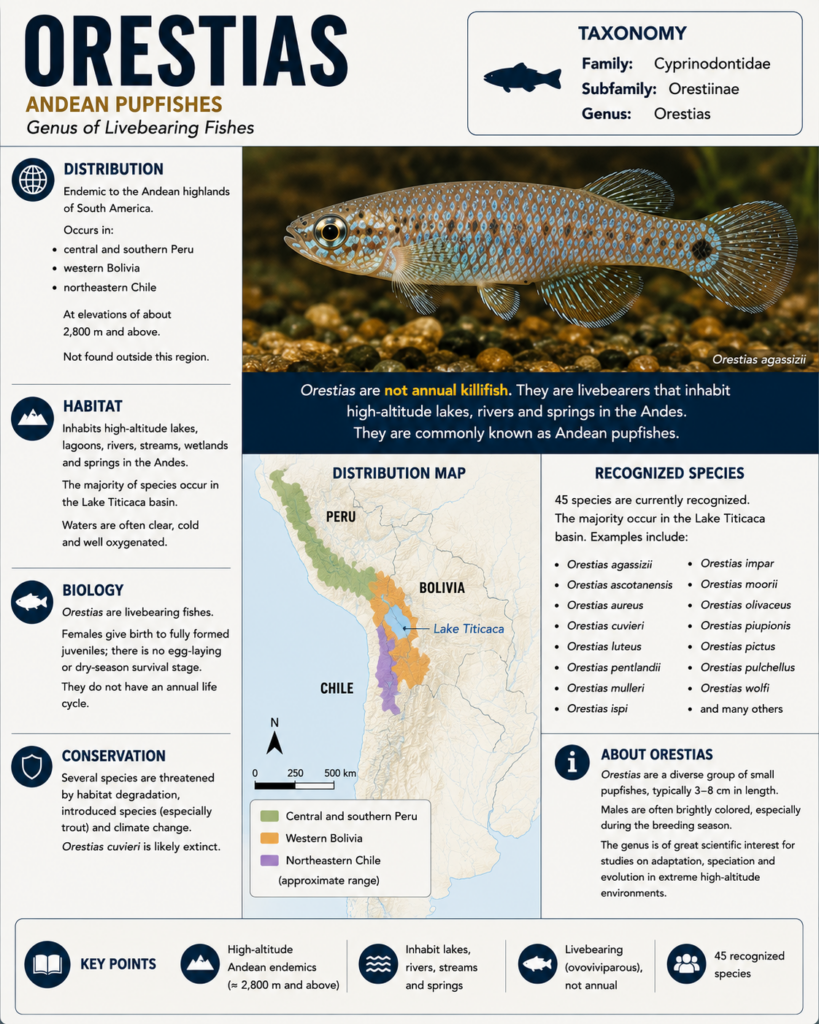
Orestias, a genus of freshwater fish, has captured the interest of scientists and researchers for years due to its remarkable ability to adapt and survive in the challenging environments of South America. These fish are known for their incredible diversity, with over 60 recognized species inhabiting various habitats such as salt flats, rivers, and lakes, each with its unique set of adaptations.
Originating millions of years ago in what is now the region of the Altiplano, Orestias has evolved to withstand extreme conditions such as high salinity levels and temperature fluctuations. Their adaptability can be attributed to their genetic plasticity, allowing them to rapidly respond to environmental changes. Scientists believe that this characteristic has played a crucial role in their survival and radiation throughout South America.
Today, Orestias faces an unprecedented threat – habitat degradation and loss due to human activities. The construction of dams, pollution, and overfishing have disrupted the delicate balance of their ecosystems, putting many species at risk of extinction. In fact, recent studies indicate that more than 70% of Orestias species are threatened, making urgent conservation measures crucial.
To address this pressing issue, scientists and conservationists have been working together to find sustainable and innovative solutions. One promising approach involves establishing protected areas and implementing strict regulations to safeguard the remaining populations of Orestias. By preserving crucial habitats and limiting human interference, these efforts aim to provide the fish with the opportunity to recover and thrive.
Highlighting the urgency of these conservation efforts, a compelling statistic reveals that one species of Orestias, the Orestias chungarensis, has already become extinct in its only known habitat due to human-induced impacts. This serves as a stark reminder of the potential consequences and emphasizes the need for immediate action to prevent further losses within the genus.
Understanding the complex dynamics of Orestias populations is essential for devising effective conservation strategies. Research is ongoing to unravel the genetic and physiological mechanisms that enable these fish to tolerate harsh conditions, as well as to identify potential high conservation value areas for their protection. By combining scientific knowledge with community involvement and political support, there is hope for preserving Orestias and ensuring their rightful place in the diverse ecosystems of South America.
What are Orestias and why are they important for aquatic ecosystems?
Orestias, the renowned group of freshwater fish species, play a crucial role in maintaining the balance and health of aquatic ecosystems. These fish are known for their remarkable adaptability to diverse habitats, making them an intriguing subject for scientific studies. In this article, we will delve into the intricate world of Orestias, exploring their unique characteristics, ecological significance, and their extraordinary ability to survive in challenging environments. Join us in the next section to unravel the fascinating details about these extraordinary fish.
Answering the Mystery of Orestias
Orestias, a group of fish species belonging to the family Cyprinodontidae, has long captured the interest of biologists and aquatic enthusiasts alike. These unique fish are native to the high-altitude lakes of the Andes Mountains, specifically in the Altiplano region of South America. The Orestias species exhibit remarkable adaptability to extreme environments, making them a subject of scientific fascination.
Evolutionary Marvel
Orestias occupy a diverse range of habitats, including alkaline, saline, and freshwater lakes. This adaptability can be attributed to their remarkable evolutionary history. Research suggests that the ancestors of Orestias likely colonized the Altiplano lakes around 2 to 3 million years ago, following a series of geological events that isolated the region from the sea. Since then, Orestias have undergone speciation, diversifying into numerous species to occupy a variety of ecological niches.
Adaptations to Extreme Conditions
The Altiplano lakes present numerous challenges to life, including low oxygen levels, high salinity, and extreme temperature fluctuations. In response, Orestias have developed remarkable physiological and behavioral adaptations. For instance, some species possess specialized gill structures that allow them to extract oxygen efficiently from the low-oxygen waters. Others have evolved mechanisms to tolerate high salinity levels, enabling them to colonize saline environments.
Furthermore, Orestias are known for their ability to cope with dramatic changes in temperature. In the Andes, temperatures can swing from freezing cold at night to scorching hot during the day. To survive, Orestias have adapted by regulating their metabolism and adjusting their activity patterns accordingly.
Conservation Challenges
Despite their incredible adaptations, Orestias face numerous conservation challenges. Human activities, such as water extraction, pollution, and the introduction of invasive species, pose significant threats to their delicate ecosystems. Additionally, climate change impacts the already fragile balance of the high-altitude lakes.
A comprehensive assessment conducted in 2018 revealed that nearly 60% of Orestias species are at high risk of extinction, with six species being classified as critically endangered. This alarming statistic emphasizes the urgent need for conservation efforts to protect these unique fish and their habitats.
Conclusion
In conclusion, the Orestias fish species of the Andes Mountains are a true marvel of evolution, adapted to survive in extreme conditions. Their ability to thrive in high-altitude lakes with low oxygen levels, high salinity, and temperature fluctuations showcases their remarkable resilience. However, their conservation status is a cause for concern, with a significant proportion of species being at risk of extinction. Efforts must be made to protect their habitats and mitigate the threats posed by human activities and climate change, ensuring the long-term survival of these fascinating creatures.
Orestias FAQ
What is Orestias?
Orestias is a genus of fish that are native to lakes in the Andean highlands of South America.
Where are Orestias fish found?
Orestias fish are found in various lakes in the Andean highlands of South America, including Lake Titicaca and Lake Poopó.
What do Orestias fish eat?
Orestias fish are omnivorous and primarily feed on aquatic plants, algae, small crustaceans, and insects.
Are Orestias fish endangered?
Yes, many species of Orestias fish are endangered due to habitat destruction, pollution, and introduced species.
How many species of Orestias fish are there?
There are currently around 50 recognized species of Orestias fish, but the number may change as new species are discovered.
What is the size of Orestias fish?
Orestias fish vary in size depending on the species, ranging from about 2 to 12 inches in length.
How long do Orestias fish live?
The lifespan of Orestias fish is typically around 3 to 5 years, but this can vary depending on environmental conditions and species.
Can Orestias fish adapt to different environments?
Yes, Orestias fish have shown the ability to adapt to different environments, including brackish waters and extreme temperatures.
What is the scientific classification of Orestias?
Orestias belong to the family Cyprinodontidae, order Cyprinodontiformes, and class Actinopterygii.
Can Orestias fish be kept in aquariums?
Yes, some species of Orestias fish can be kept in aquariums, but it is important to provide them with suitable conditions that resemble their natural habitat.
Conclusion
Orestias is an intriguing and unique genus of fish that has adapted to extreme environments in the high altitude Andean lakes. Through their remarkable physiological and morphological adaptations, Orestias have managed to survive and thrive in these challenging conditions. From the article, we learn that Orestias possess a range of adaptations, including modifications to their gills, increased oxygen-carrying capacity, and altered feeding strategies, allowing them to efficiently extract nutrients and survive in low-oxygen and brackish water. These adaptations have enabled Orestias to colonize a wide range of lakes and exhibit a remarkable level of diversity within the genus.
The article also emphasizes the importance of preserving these endangered fish species. Due to habitat destruction, pollution, and the introduction of invasive species, many Orestias populations are facing a severe decline. Conservation efforts have become crucial to protect their unique genetic resources and prevent their extinction. By understanding the adaptive strategies and ecological requirements of Orestias, conservationists can develop effective management plans to preserve these remarkable fish and their high-altitude lake ecosystems. Given the increasing threats posed by climate change and human activities, it is essential to prioritize the conservation of Orestias and their fragile habitats to ensure their long-term survival and contribute to the broader understanding of evolutionary processes in extreme environments.