6
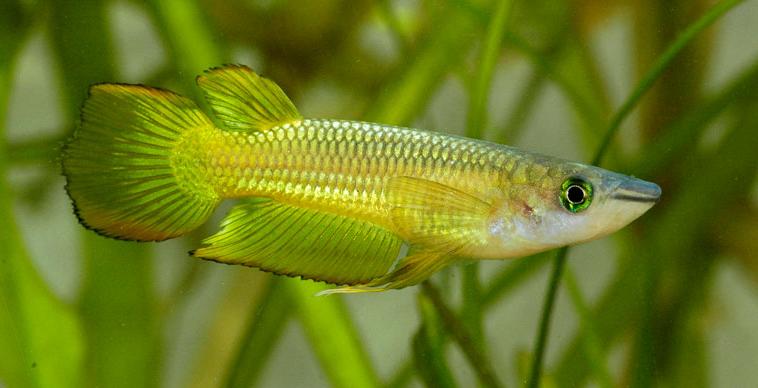
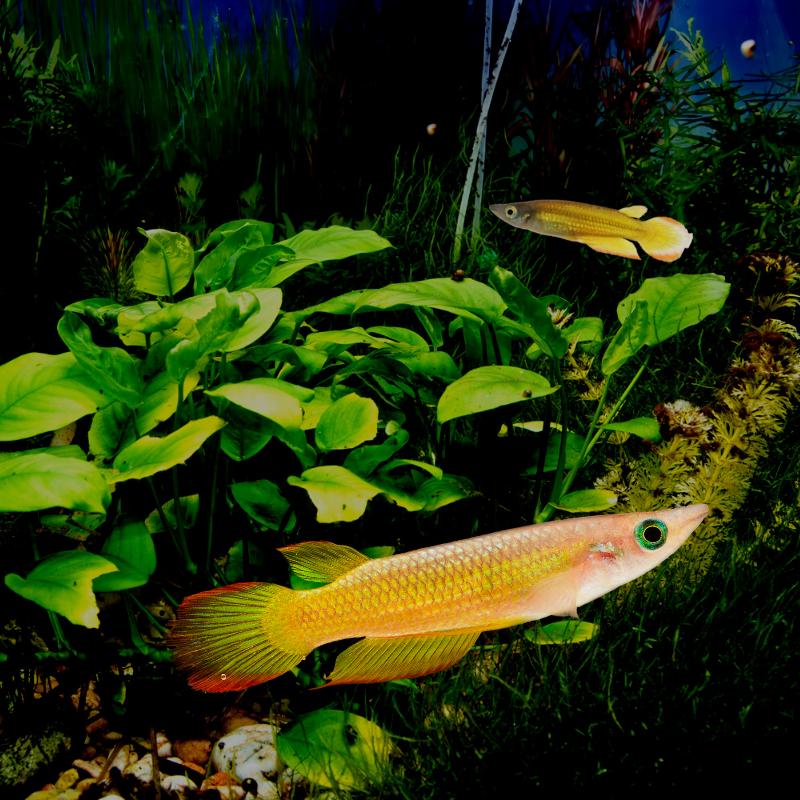
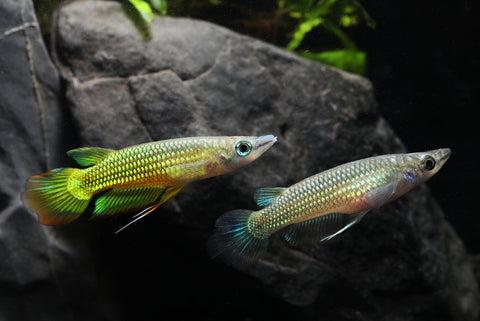
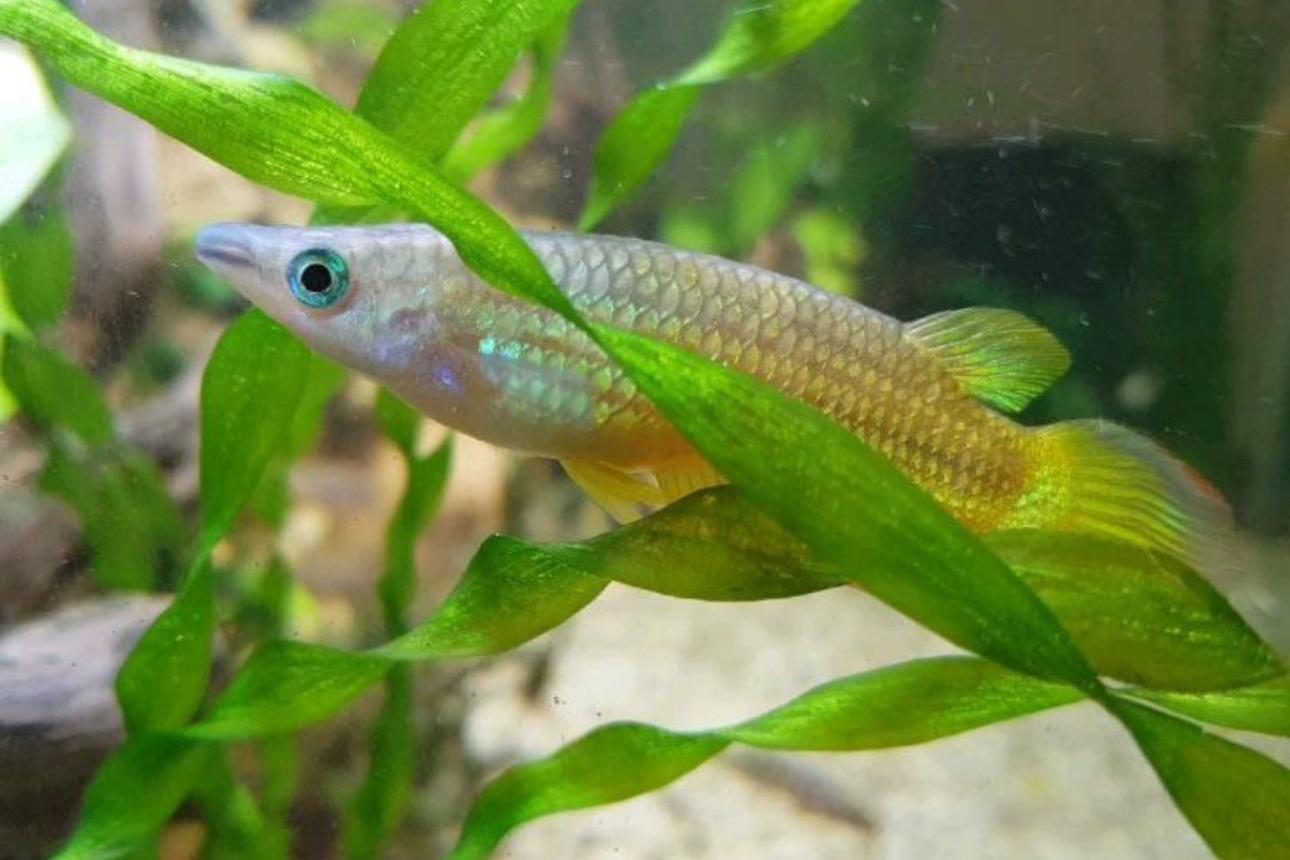
Aplocheilus lineatus ‘Gold’, commonly called the Golden Wonder Killifish, is a surface-dwelling predator. The golden form is a color variety of A. lineatus, not a separate species. Adult males commonly reach about 8–10 cm, and their large, upward-facing mouth is the most important factor when choosing tank mates.
🐟 The Predation Rule
The simplest rule is:
If a tank mate can fit into the Golden Wonder’s mouth, consider it potential prey.
Aquarium Glaser specifically recommends tank mates larger than 5 cm because larger A. lineatus will eat smaller fish. Other current care references similarly warn against nano fish, small rasboras, neon tetras and shrimp.
Predation-risk infographic
             A. LINEATUS 'GOLD'
                    │
              ADULT ~8–10 cm
                    │
             LARGE UP-TURNED
                  MOUTH
                    │
          ┌─────────┴─────────┐
          │                   │
      >5 cm adult          <5 cm adult
          │                   │
     Usually safer        Increasing risk
                              │
                    ┌─────────┴─────────┐
                    │                   │
                 3–4 cm              <3 cm
                    │                   │
                 HIGH RISK          VERY HIGH
                                      RISK
Important: 5 cm isn’t a biological “safe cutoff.” Body depth matters, too. A slender 5 cm fish may be more vulnerable than a deep-bodied fish of the same length. The best criterion is adult body size relative to the predator’s mouth, not the size of the fish when purchased.
🟢 Good Tank Mates
Choose robust fish that are too large to swallow and preferably occupy the middle or lower part of the aquarium.
| Tank mate | Predation risk | Verdict |
|---|---|---|
| Corydoras | 🟢 Very low | Excellent |
| Bristlenose pleco | 🟢 Very low | Excellent |
| Kuhli loaches | 🟢 Very low | Excellent |
| Medium-sized barbs | 🟢 Low | Good |
| Larger tetras | 🟢 Low | Good |
| Zebra danios | 🟢 Low | Good |
| Larger rainbowfish | 🟢 Low | Good |
| Medium peaceful catfish | 🟢 Very low | Excellent |
The general principle is to combine the Golden Wonder with medium-sized, robust fish occupying different parts of the water column.
🟠 Borderline Tank Mates
These depend heavily on the adult size of both species:
- Adult guppies
- Platies
- Smaller barbs
- Smaller tetras
- Some rasboras
- Large shrimp
A fish that is safe at 5–6 cm may not remain safe if it is particularly slender or spends a lot of time near the surface.
🔴 Poor Choices
4
Avoid combining adult A. lineatus ‘Gold’ with:
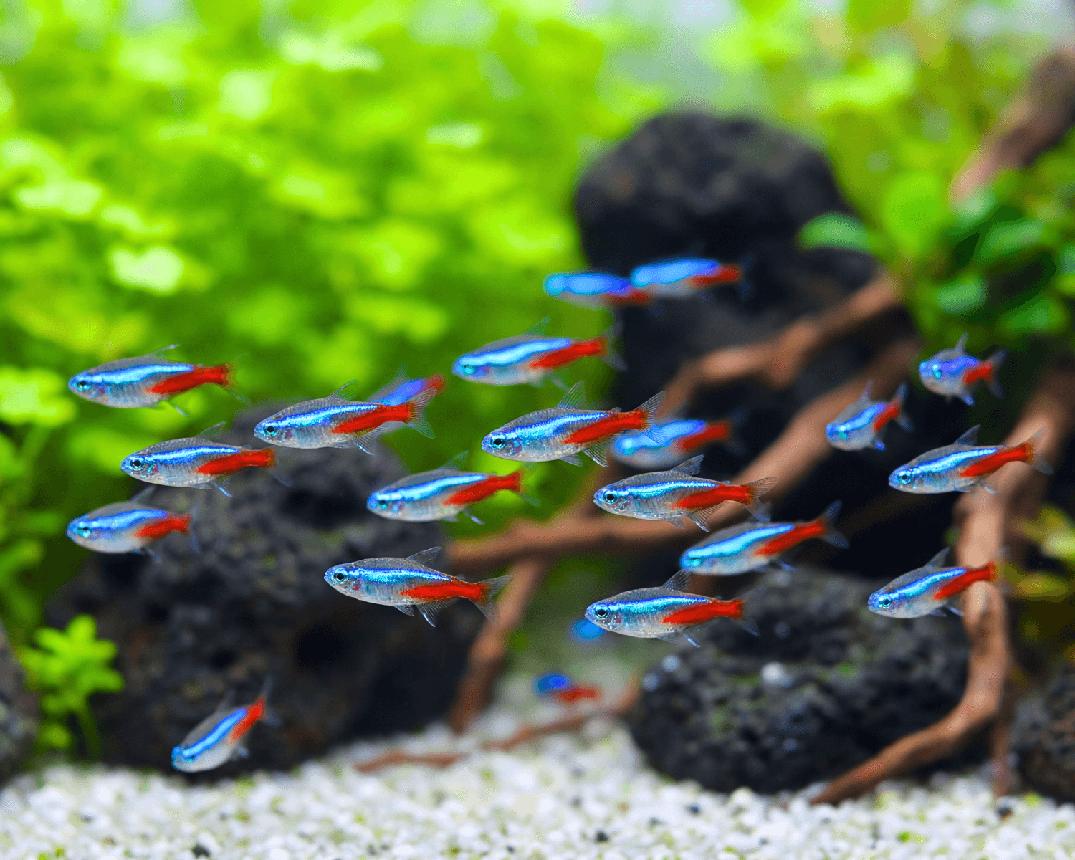
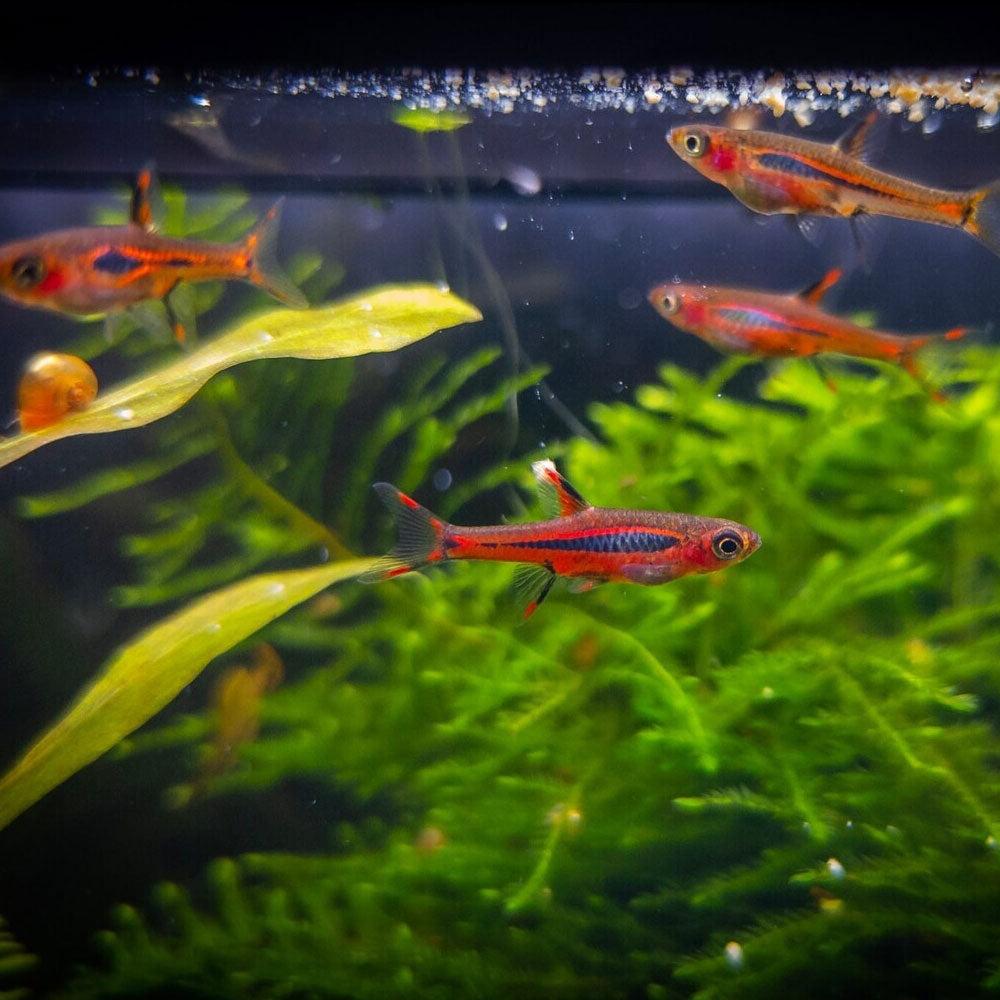
- Neon tetras
- Chili rasboras
- Micro rasboras
- Very small tetras
- Endler fry
- Guppy fry
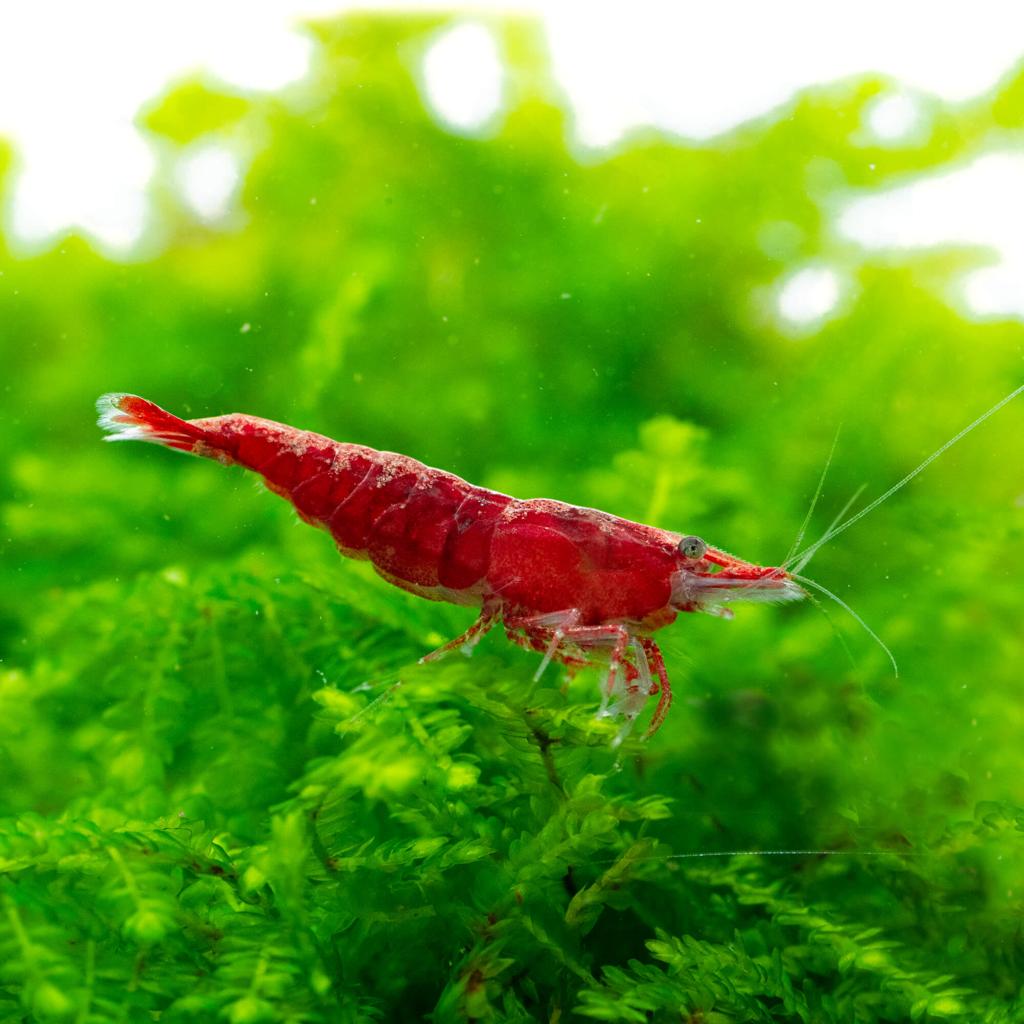
- Small shrimp/shrimplets
- Most other nano fish
These aren’t necessarily attacked because the Golden Wonder is “aggressive.” They are simply within its normal predatory size range. Its upward-facing mouth is specifically adapted to grabbing prey at the surface.
🦐 Shrimp Are Particularly Risky
I’d regard A. lineatus ‘Gold’ as not shrimp-safe.
Even if adult Amano or larger shrimp survive, shrimplets are effectively live food. The same applies to juvenile fish of other species.
SHRIMP
  │
  ├── Large adult ─── 🟠 Possible
  │
  ├── Medium adult ── 🟠/🔴 Risk
  │
  └── Shrimplets ──── 🔴 FOOD
Current care references consistently classify Golden Wonders as unsuitable for small shrimp.
🌿 Aquarium Layout Matters
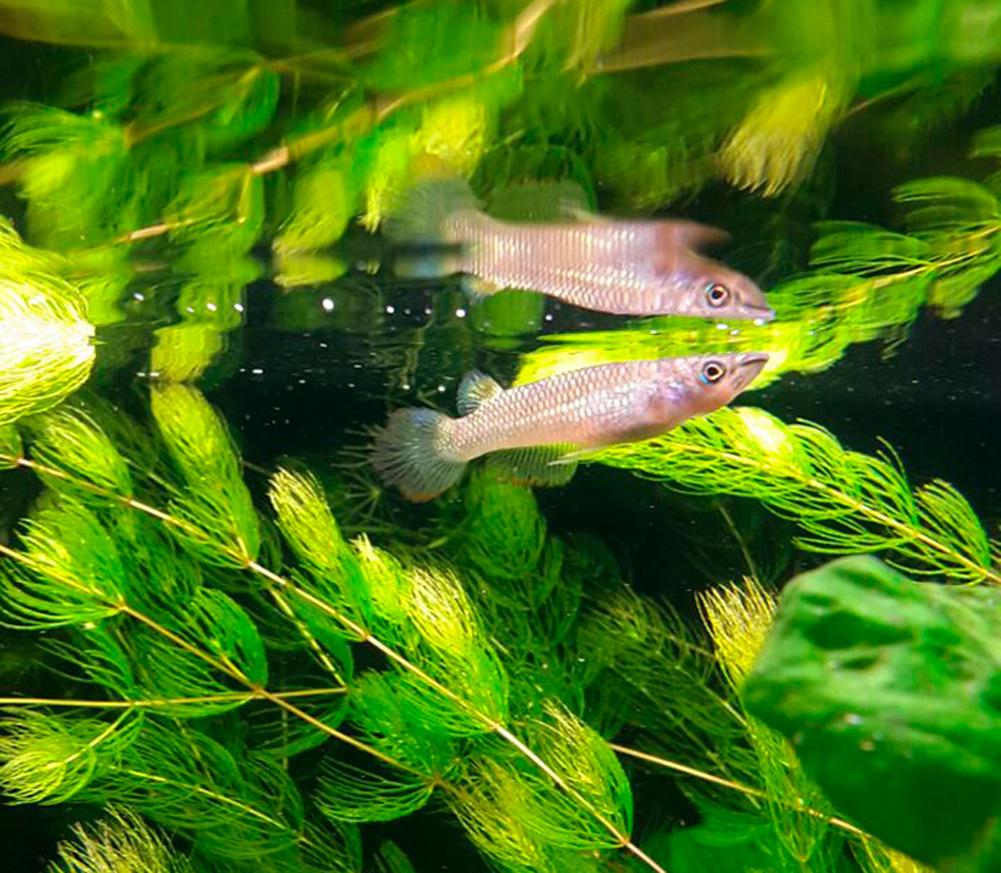
The species spends most of its time near the surface, so tank design can reduce competition.
A good setup has:
Surface:
🌿 Floating plants + open hunting areas
Middle:
🐟 Medium-sized schooling fish
Bottom:
🐠 Corydoras / loaches / pleco
Top priority:
🔒 A completely secure lid
Golden Wonders are exceptionally good jumpers, and multiple sources specifically emphasize a tightly covered aquarium.
Ideal community structure
             🔒 SECURE LID
════════════════════════════════
        🌿 FLOATING PLANTS
       🟡🟡🟡  A. lineatus
          SURFACE PREDATOR
────────────────────────────────
      🐟  🐟  🐟  🐟
        MEDIUM FISH
────────────────────────────────
    🐠       🐠       🐠
   CORYDORAS / LOACHES
════════════════════════════════
              BOTTOM
Bottom line
Aplocheilus lineatus ‘Gold’ is not an indiscriminate aggressive fish — it is a relatively peaceful fish with a predator’s mouth. That distinction is important.
For a community aquarium, I’d use 5 cm+ adult size as a conservative starting point, preferably with robust fish that spend most of their time below the Golden Wonder. Anything approaching nano-fish size should be considered potential prey.
