5
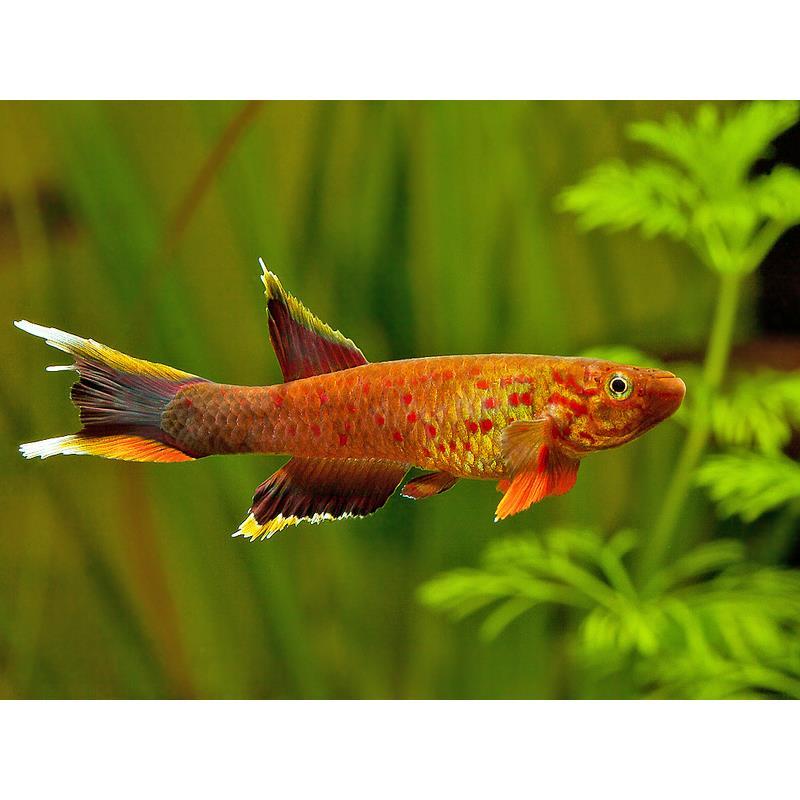
Aphyosemion australe ‘Cap Esterias’ is a population/locality form of the Lyretail Killifish, Aphyosemion australe, from Gabon. It is a non-annual killifish, meaning the eggs do not require a dry-season incubation. This makes it one of the easier Aphyosemion species for aquarists who want to keep and breed killifish.
The locality designation ‘Cap Esterias’ should ideally be retained when breeding the fish rather than mixing it with unrelated A. australe strains.
🐟 Appearance and Size
4
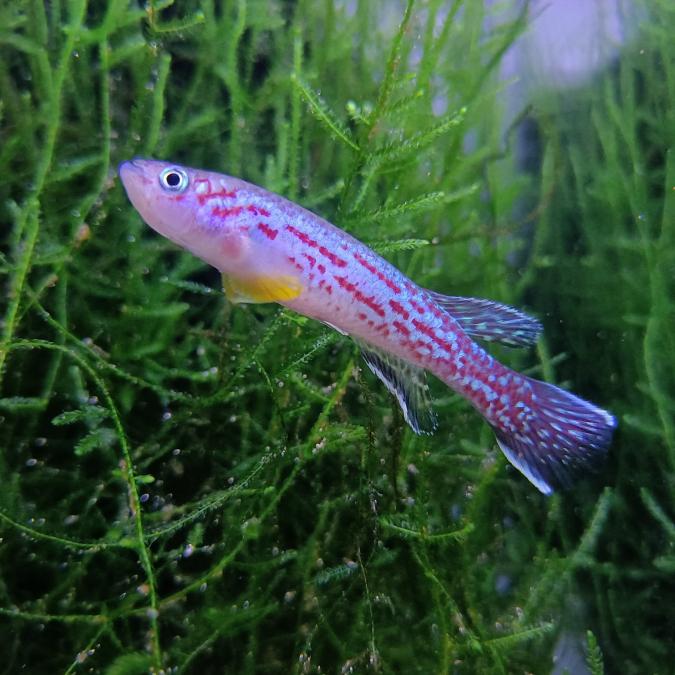
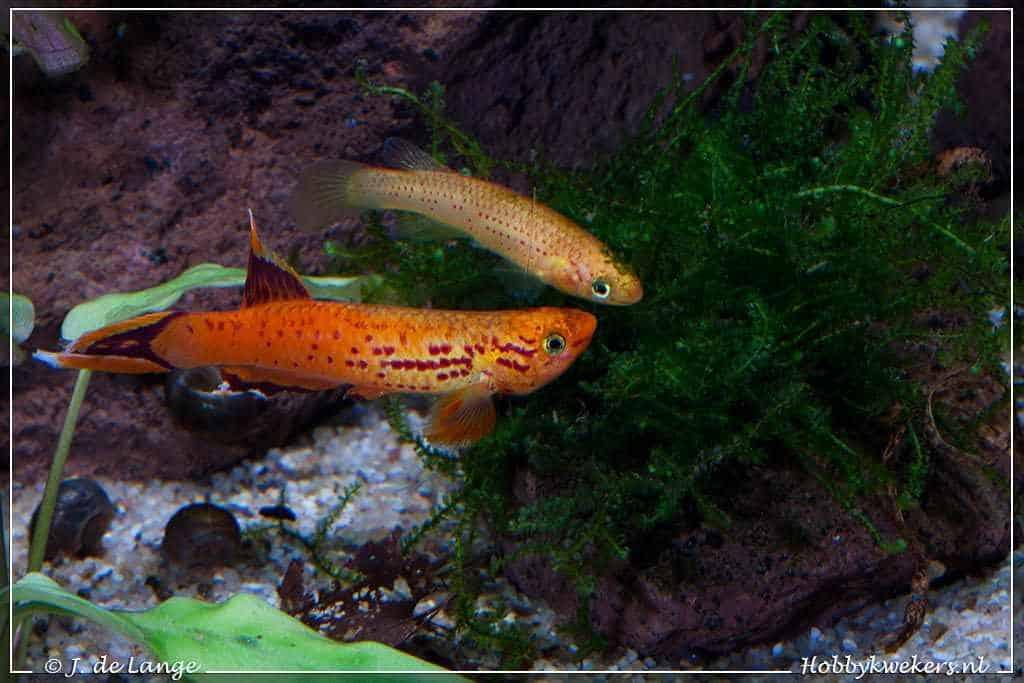
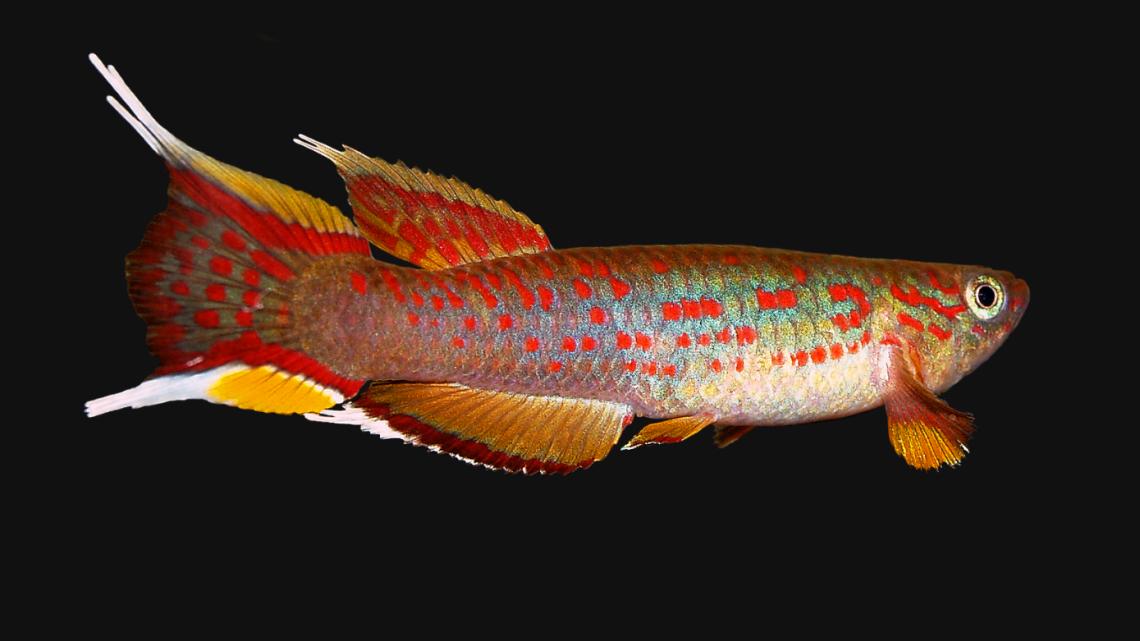
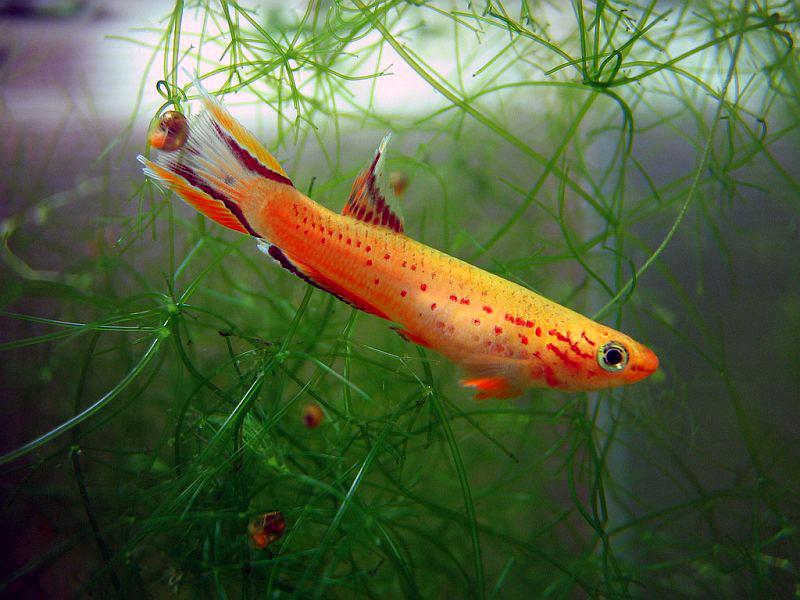
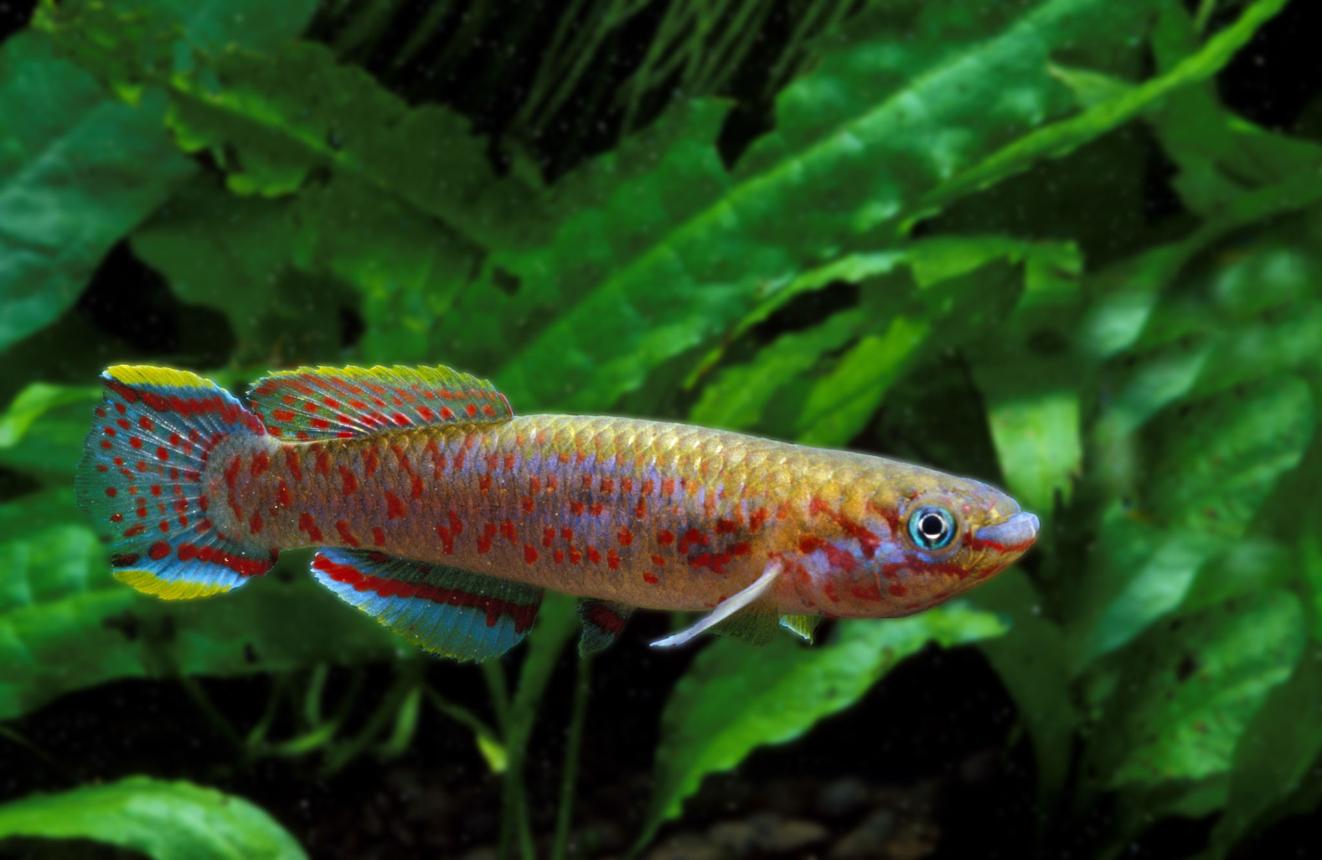
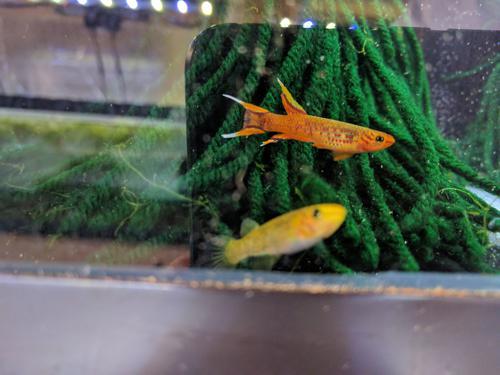
Males are considerably more colorful, with orange-red coloration, contrasting spots and attractive extended fins. Females are smaller and much less colorful.
Typical adult size is approximately 5–6 cm, with males displaying the characteristic lyre-shaped caudal fin.
Quick profile
| Parameter | Recommendation |
|---|---|
| Scientific name | Aphyosemion australe |
| Locality | Cap Esterias |
| Type | Non-annual killifish |
| Adult size | ~5–6 cm |
| Temperature | 21–24 °C |
| Breeding temperature | ~22–24 °C |
| pH | 5.5–7.0 |
| Water | Soft to moderately soft |
| Aquarium | 20–60 L |
| Filtration | Gentle sponge filter |
| Lighting | Low/moderate |
| Plants | Highly recommended |
| Spawning | Mops, fine plants, moss |
| Eggs | ~1 mm |
| Egg incubation | Roughly 10–20 days |
| Difficulty | Easy–moderate |
There is some variation in published water recommendations, but soft, slightly acidic water and relatively cool temperatures are a sensible starting point. The British Killifish Association, for example, recommends approximately 20–22 °C for maintenance and no more than about 23 °C for breeding.
🌿 Aquarium Setup
5
You don’t need a huge aquarium.
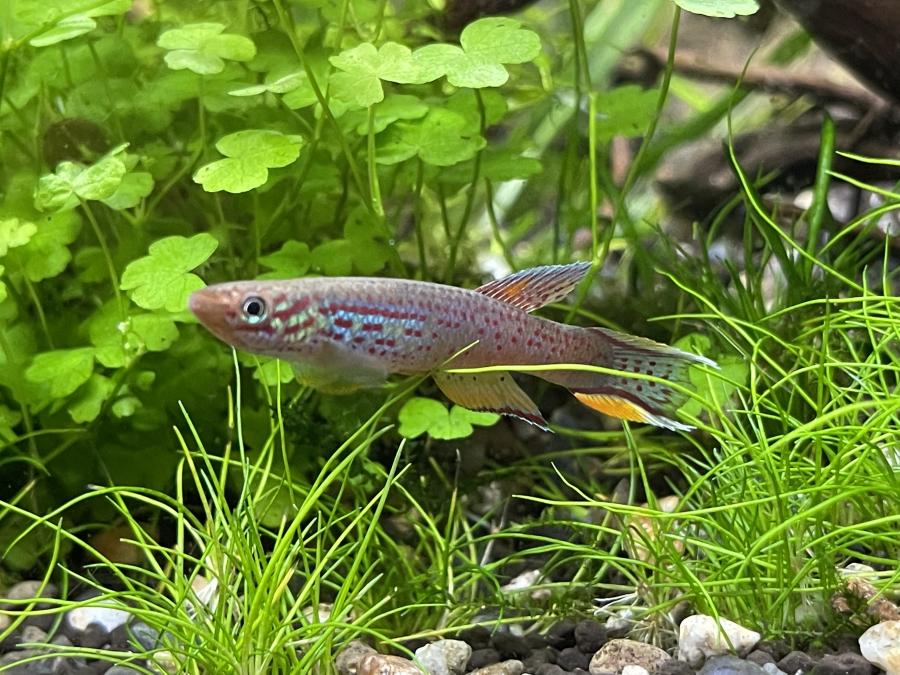
A 30–60 litre species tank is excellent for a small breeding group. A pair or trio can also be maintained in considerably less water, although additional volume makes maintaining stable conditions easier.
Ideal layout
             SECURE LID
══════════════════════════════
       🌿 FLOATING PLANTS
     ┌───────────────────┐
     │   ♂       ♀       │
     │      🌿🌿         │
     │   SPAWNING MOP    │
     │                   │
     │       🌿          │
     │                   │
     │  gentle sponge    │
     └───────────────────┘
══════════════════════════════
Use:
- Java moss
- Java fern
- floating plants
- Water Sprite
- fine-leaved plants
- spawning mops
- driftwood or leaf litter
A dark background and subdued lighting generally make the fish much more comfortable and show their colors better.
A tight-fitting lid is essential. Aphyosemion australe can jump surprisingly well, particularly during spawning and when startled.
🍽️ Feeding
A. australe is primarily a small carnivorous/insectivorous fish.
Best foods include:
- baby brine shrimp
- adult brine shrimp
- daphnia
- grindal worms
- blackworms
- mosquito larvae
- frozen bloodworms
- high-quality small pellets
- quality flake food
Live or frozen food is particularly useful when conditioning breeders.
A good routine is small meals rather than one large feeding.
For breeding:
CONDITIONING
     ↓
Live/frozen food
     ↓
♂ + ♀
     ↓
Heavy feeding
     ↓
Daily spawning
     ↓
Egg collection
Quality food is particularly important for females because continuous spawning can be demanding.
🧬 Breeding
This is where A. australe becomes particularly interesting.
Unlike annual killifish such as Nothobranchius, Cap Esterias does not need its eggs to be dried. It is a non-annual plant-spawner. Eggs can be incubated directly in water, although breeders use several different techniques.
Best breeding setup
For controlled breeding I would use:
20–30 litre tank
with:
- bare bottom
- gentle sponge filter
- spawning mop
- Java moss
- subdued lighting
- secure cover
A traditional breeding ratio is:
1 male : 2 females
This gives the female some relief from the male’s persistent courtship. The British Killifish Association specifically recommends a trio of one male and two females.
🧶 Spawning Mop
5
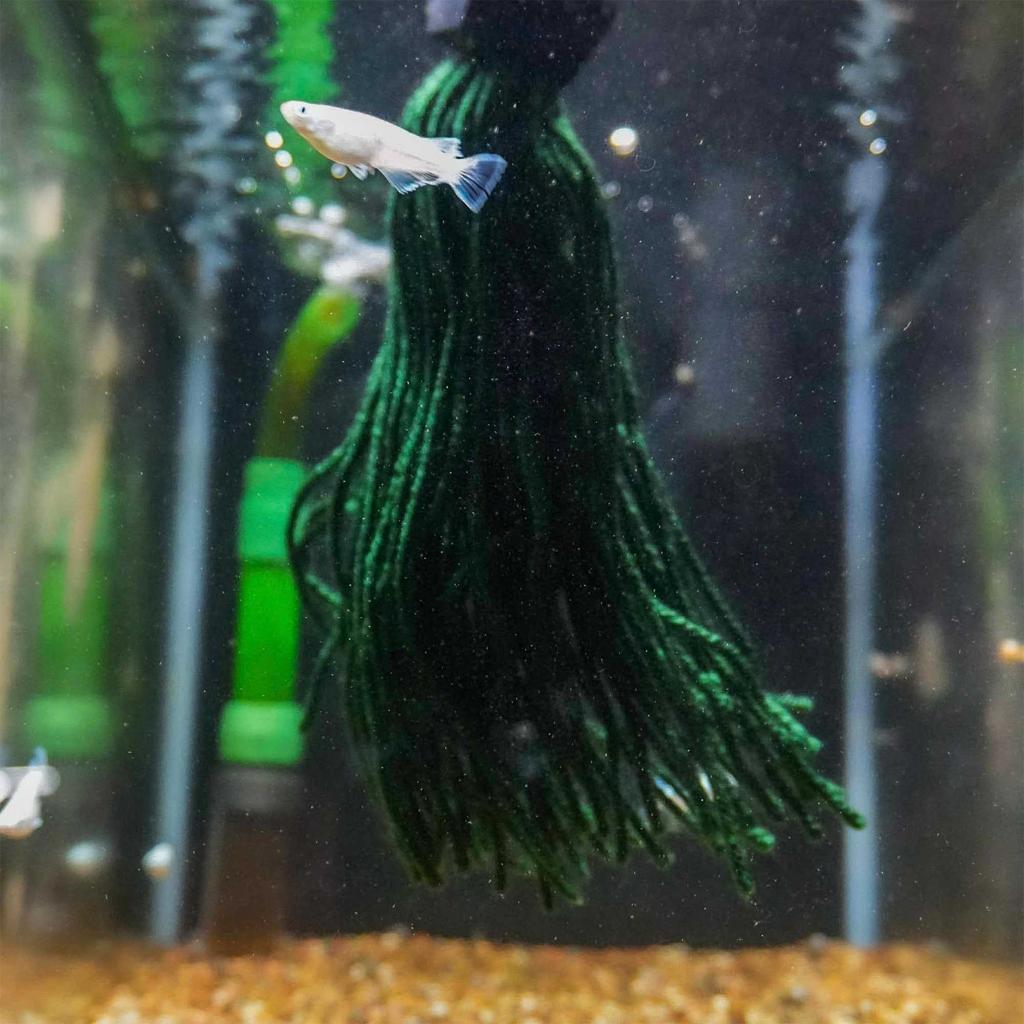
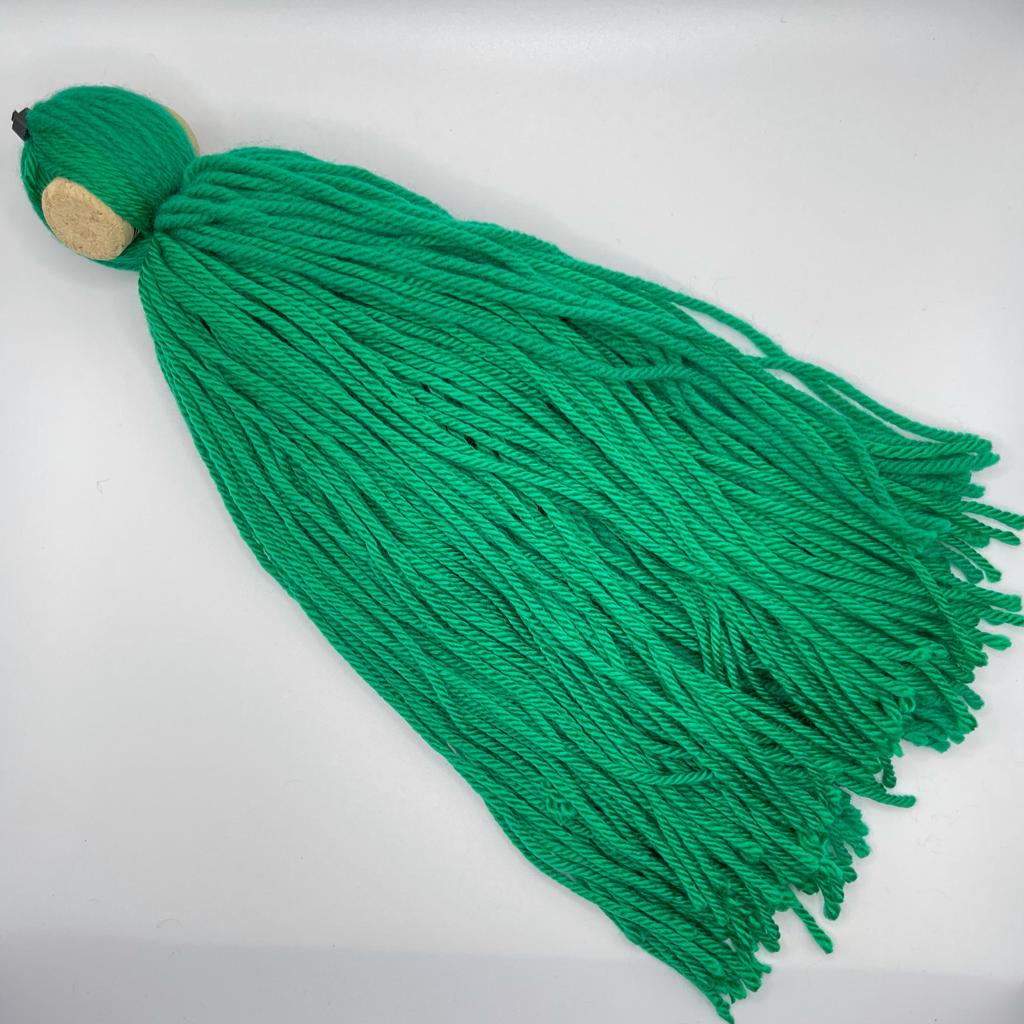
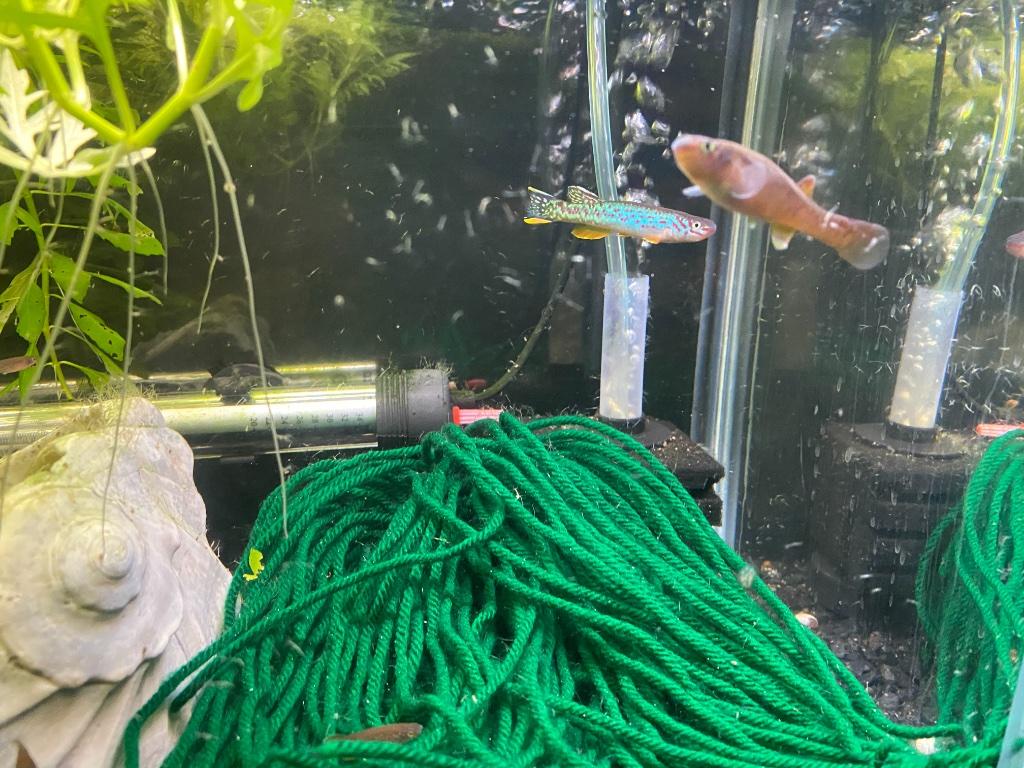
A dark green or black synthetic-yarn mop works extremely well.
The fish usually spawn inside the mop. Eggs are approximately 1 mm and adhesive, so they stick to the strands.
The spawning sequence is fascinating:
♂ finds ♀
    ↓
Courtship display
    ↓
♂ positions beside ♀
    ↓
Both fish enter mop
    ↓
Egg + sperm released
    ↓
~1 egg attached to mop
    ↓
Repeat
The male wraps his fins around the female during spawning, followed by a brief movement in which the egg is deposited.
🥚 Egg Collection
If you want maximum fry production, collect eggs regularly.
Check the mop every day.
Remove it from the aquarium, gently squeeze out excess water and inspect the yarn. The transparent/amber eggs are relatively easy to see against a dark mop.
Experienced breeders report collecting roughly 10–30+ eggs per day from a productive trio, although production varies enormously with age, conditioning, temperature and individual fish.
Healthy vs bad eggs
       KILLIFISH EGGS
             │
       ┌─────┴─────┐
       │           │
    CLEAR/        WHITE/
    AMBER         OPAQUE
       │           │
    DEVELOPING    FUNGUS/
       │          DEAD
       ↓           ↓
      KEEP       REMOVE
Fungused eggs should be removed promptly so that fungus does not spread to healthy eggs.
🥚 Incubating the Eggs
There are two good approaches.
Method 1 — Water incubation
Put the eggs in a small container with clean water from the breeding aquarium.
Depending on temperature and conditions, hatching can occur in approximately 10–20 days. Published hobbyist experience gives somewhat different incubation periods, so don’t treat a particular day as a fixed deadline.
Method 2 — Moist peat/coconut fibre
The eggs can also be kept on moist, not soaking wet, peat or coconut fibre.
This is a useful method when you want to collect and store batches of eggs.
        LID
════════════════
       AIR
   ○  ○  ○  ○
────────────────
   MOIST PEAT
   / COCONUT
     FIBRE
────────────────
       NO
   STANDING WATER
Keep the eggs separated where possible and inspect them regularly.
Modern breeding references also describe moist coconut fibre or peat as practical incubation media for A. australe.
🐣 Raising the Fry
Once the fry hatch, they are tiny but relatively straightforward to raise.
First foods
For the first days:
- infusoria
- vinegar eels
- very small live foods
Then move rapidly to:
newly hatched Artemia nauplii
as the fry become large enough.
The British Killifish Association notes that the fry are readily raised on normal small fry foods and can benefit from infusoria during their first few days.
Fry development
EGG
 ↓
HATCH
 ↓
FIRST FOOD
Infusoria / tiny live food
 ↓
ARTEMIA NAUPLII
 ↓
LARGER LIVE/FROZEN FOOD
 ↓
JUVENILES
 ↓
SEXING
 ↓
ADULT BREEDERS
Keep the water very clean but filtration gentle. Small, frequent water changes are preferable to large sudden changes.
⚠️ Common Breeding Mistakes
1. Keeping the water too warm
A. australe generally does better than many tropical aquarium fish at relatively cool temperatures. Constantly running the tank at 27–28 °C is unnecessary and can shorten the fish’s useful breeding life.
2. One male with one female
The male can concentrate his attention on a single female.
1♂ : 2♀ is usually a better breeding arrangement.
3. No spawning mop
They can spawn on plants and other surfaces, but a mop makes egg collection dramatically easier.
4. Overfeeding fry
Tiny fry need tiny foods. Uneaten food rapidly destroys water quality.
5. No lid
This is one of the easiest ways to lose otherwise perfectly healthy killifish.
6. Mixing localities
If the goal is to maintain Cap Esterias as a recognizable locality strain, don’t mix it with unrelated A. australe populations or commercial color forms.
⭐ Breeding Difficulty
| Task | Difficulty |
|---|---|
| Keeping adults | ⭐⭐ |
| Conditioning | ⭐⭐ |
| Getting eggs | ⭐⭐ |
| Collecting eggs | ⭐⭐ |
| Egg incubation | ⭐⭐ |
| Raising fry | ⭐⭐–⭐⭐⭐ |
| Maintaining a pure locality strain | ⭐⭐⭐ |
| Producing large numbers | ⭐⭐⭐ |
Overall: one of the better Aphyosemion species for someone starting with non-annual killifish.
The American Killifish Association also describes A. australe breeding methods ranging from collecting eggs to simply maintaining fish in a planted aquarium and allowing fry to appear naturally.
The simplest successful approach
If your objective is just to get a colony going, you don’t actually need complicated egg-drying techniques:
30–60 L planted tank → 1 male + 2 females → spawning mop → live food → remove mop regularly → hatch eggs → raise fry separately.
That’s the route I’d choose for Aphyosemion australe ‘Cap Esterias’.
